
Wybór metody płatności może mieć znaczący wpływ na małą firmę, w tym na jej współczynniki konwersji, przepływy pieniężne oraz łatwość ekspansji na nowe rynki.
Pierwszym krokiem do podjęcia decyzji jest zrozumienie rynku płatności.
W ciągu ostatniej dekady płatności internetowe w Europie znacznie zyskały na popularności. Zmianę tę można przypisać powszechnemu upowszechnieniu smartfonów, bardziej niezawodnym sieciom oraz zmianom regulacyjnym. Zmieniona dyrektywa w sprawie usług płatniczych (PSD2) przyczyniła się do wzbudzenia zaufania konsumentów poprzez wprowadzenie silniejszych metod uwierzytelniania oraz zapewnienie użytkownikom większej kontroli nad ich danymi finansowymi.
W rezultacie większość konsumentów chętnie dokonuje płatności online i oczekuje szerokiego wyboru opcji. Nie wszystkie metody płatności są jednakowe – każda wiąże się z innymi kosztami, oczekiwaniami klientów i wymaganiami technicznymi
W tym przewodniku dowiesz się, jakie są najlepsze metody płatności online dla małych firm, jakie są zalety i wady poszczególnych rozwiązań oraz poznasz wskazówki dotyczące ich wyboru.
Najważniejsze wnioski
- Portfele cyfrowe to najpopularniejszy sposób dokonywania płatności online.
Obecnie portfele elektroniczne są najczęściej wybieranym sposobem płatności przez klientów sklepów internetowych w Europie i poza nią. Inne popularne opcje to karty płatnicze, przelewy bankowe, płatności typu „kup teraz, zapłać później” (BNPL), polecenia zapłaty, kody QR i linki oraz kryptowaluty.
- Każda metoda ma swoje zalety i wady.
Na przykład przelewy bankowe są najtańszą opcją dla sprzedawców, ale mogą trwać długo. Ponadto opcja „kup teraz, zapłać później” (BNPL) zwiększa wartość zamówień i współczynnik konwersji, ale może zakłócić przepływ środków pieniężnych.
- Przed wyborem metod płatności warto zapoznać się z dostępnymi opcjami.
Wybierz metody płatności w oparciu o preferencje, lokalizację i wiek swoich klientów. Przeanalizuj trendy panujące wśród konkurencji oraz weź pod uwagę potrzeby swojej firmy i dostępny budżet.
- Paypercut ułatwia konfigurację i zarządzanie płatnościami.
Zamiast podpisywać wiele umów i zajmować się oddzielnymi integracjami, wybierz Paypercut i miej wszystko w jednym miejscu. Dzięki Paypercut możesz rozpocząć działalność w ciągu kilku dni, zarządzać ponad 12 walutami i z łatwością rozszerzać działalność na całą Europę.
Najpopularniejsze metody płatności online dla Twojej małej firmy
Poniższe siedem metod płatności należy do najpopularniejszych w przypadku zakupów internetowych w Europie. Każda z nich ma swoje zalety i ograniczenia — właściwy dobór zależy od Twoich klientów, produktów oraz możliwości ich obsługi.
1. Portfele cyfrowe
Portfele cyfrowe, zwane również e-portfelami, pozwalają konsumentom bezpiecznie przechowywać dane płatnicze na swoich urządzeniach oraz szybko dokonywać transakcji internetowych i w punktach sprzedaży, bez konieczności wprowadzania danych płatniczych na każdej stronie internetowej. Ze względu na swoją wygodę e-portfele są obecnie najpopularniejszą metodą płatności przy zakupach internetowych, zarówno w Europie, jak i na całym świecie.
Najpopularniejszymi usługodawcami są Apple Pay i Google Pay, ale preferencje różnią się w zależności od kraju. Na przykład polscy klienci przedkładają lokalny system BLIK nad te rozwiązania.
W ostatnich latach popularność portfeli elektronicznych gwałtownie wzrosła, a eksperci przewidują, że tendencja ta będzie się utrzymywać. Oczekuje się, że w 2033 r. wartość europejskiego rynku portfeli mobilnych osiągnie 31 mld USD, rosnąc w tempie aż 27,21% rocznie.

2. Karty płatnicze
Karty płatnicze cieszą się popularnością od dziesięcioleci, a z biegiem czasu ich popularność jeszcze wzrosła. Chociaż stanowią one dominujący sposób rozliczeń w punktach sprzedaży, są również powszechnie wykorzystywane podczas zakupów internetowych. Konsumenci darzą je zaufaniem, ponieważ są one znane, powszechnie akceptowane i wyposażone w wbudowane zabezpieczenia przed oszustwami.

W większości krajów europejskich karty debetowe są częściej wykorzystywane do zakupów internetowych niż karty kredytowe. Najważniejszym powodem jest prawdopodobnie chęć uniknięcia zadłużenia oraz większa kontrola nad wydatkami.
Niektóre grupy konsumentów, takie jak młodsze osoby nieposiadające konta bankowego, często korzystają z kart przedpłaconych i podarunkowych podczas zakupów internetowych.
3. Przelew bankowy
Przelewy bankowe, zwane również przelewami między rachunkami (A2A), umożliwiają klientom dokonywanie płatności bezpośrednio z ich konta bankowego na Twoje, całkowicie pomijając sieci kart płatniczych. Z biegiem lat zyskały one na popularności wśród europejskich klientów sklepów internetowych. Wynika to częściowo z przepisów dotyczących otwartej bankowości, które sprawiają, że transakcje te są szybsze i bezpieczniejsze.
W Europie system SEPA (Jednolity Obszar Płatności w Euro) umożliwia realizację przelewów w euro w 41 krajach. Jeden z rodzajów przelewów – natychmiastowy przelew SEPA – zapewnia dostępność środków w mniej niż 10 sekund.
4. Kup teraz, zapłać później (BNPL)
Usługa BNPL pozwala kwalifikującym się klientom rozłożyć zakupy na raty. Dzięki temu mogą oni nabywać droższe produkty bez konieczności odkładania z góry dużej kwoty. Przynosi to również korzyści Twojej firmie poprzez poszerzenie zasięgu, poprawę współczynników konwersji oraz zwiększenie średniej wartości zamówienia.
W Europie popularność usług typu „kup teraz, zapłać później” rośnie w tempie 25,5% rocznie od 2022 roku i nadal się zwiększa dzięki nowym regulacjom oraz rosnącej liczbie banków wchodzących na ten rynek.
Usługi typu „kup teraz, zapłać później” (BNPL) mogą wiązać się z wyższymi opłatami niż karty kredytowe, choć wielu dostawców wypłaca sprzedawcom środki z góry, co może wspierać, a nie zakłócać przepływ środków pieniężnych. Jeśli sprzedajesz produkty lub usługi o wysokiej wartości, naliczanie odsetek może pomóc zrównoważyć ryzyko i koszty. Portfele cyfrowe są najpopularniejszą opcją w przypadku płatności internetowych.
5. Polecenie zapłaty
Pobranie to rodzaj przelewu bankowego, który doskonale nadaje się do płatności cyklicznych, takich jak opłaty abonamentowe. Po wyrażeniu zgody przez klienta można automatycznie pobierać środki z jego konta zgodnie z ustalonym harmonogramem. Metoda ta pozwala ograniczyć nakłady administracyjne i zmniejszyć liczbę opóźnień w płatnościach.
System SEPA Direct Debit znacznie uprościł te płatności na przestrzeni lat. Niemniej jednak, w zależności od dostawcy, ich wdrożenie i zarządzanie nimi może wymagać znacznych nakładów.
6. Linki i kody QR
Linki płatnicze i kody QR pozwalają przyjmować płatności bez konieczności posiadania strony internetowej. Wystarczy wygenerować link lub kod, udostępnić go za pośrednictwem poczty elektronicznej, faktury lub mediów społecznościowych, a klient dokonuje płatności na zewnętrznej stronie płatności.
Metody te doskonale sprawdzają się w przypadku fakturowania, sprzedaży w mediach społecznościowych oraz firm świadczących usługi, które nie prowadzą działalności za pośrednictwem tradycyjnego sklepu internetowego. Eliminują one również konieczność posiadania dedykowanego terminala płatniczego i umożliwiają szybką sprzedaż na miejscu, ponieważ klienci mogą zeskanować kod QR swoim telefonem, aby dokonać płatności.
Linki i kody QR są ekonomiczne, łatwe w konfiguracji i nie wymagają żadnej integracji technicznej. Klienci również odnoszą korzyści, ponieważ rozwiązania te upraszczają i przyspieszają proces płatności.
Z drugiej strony masz mniejszą kontrolę nad procesem realizacji transakcji. Jeśli klienci nie będą zwracać uwagi na weryfikację źródła, istnieje ryzyko phishingu.
7. Kryptowaluty
Według Europejskiego Banku Centralnego w 2024 r. prawie 10% dorosłych mieszkańców strefy euro posiadało aktywa kryptograficzne. Od 2022 r. odsetek ten wzrósł ponad dwukrotnie.
Chociaż większość osób nadal kupuje kryptowaluty w celach inwestycyjnych, zaczynają pojawiać się również niszowe zastosowania w zakresie płatności. Wraz z nadchodzącymi zmianami w rozporządzeniu w sprawie rynków aktywów kryptograficznych (MiCA) popularność kryptowalut prawdopodobnie znacznie wzrośnie.
Wskazówki dotyczące wyboru metod płatności online dla Twojej małej firmy
Najlepiej jest zapewnić szeroki wybór metod płatności. Nie zawsze jest to jednak możliwe, zwłaszcza gdy dysponujesz ograniczonymi zasobami i możliwościami technicznymi. Oto jak ustalić priorytety:
- Zbadaj swoją bazę klientów i niszę rynkową: lokalizacja, wiek i nawyki zakupowe mają wpływ na preferencje dotyczące płatności. Na przykład młodsi klienci w Europie preferują portfele elektroniczne, podczas gdy starsi klienci mogą być bardziej przyzwyczajeni do kart i przelewów bankowych. Ponadto sprawdź, co oferują Twoi konkurenci, i śledź trendy, ponieważ preferencje zmieniają się z biegiem czasu.
- Weź pod uwagę swoje potrzeby i możliwości: zastanów się nad charakterem swojej działalności. W przypadku produktów o wysokiej wartości warto rozważyć przelewy bankowe i opcję „kup teraz, zapłać później” (BNPL), natomiast modele subskrypcyjne wymagają polecenia zapłaty. Zastanów się nad swoimi potrzebami w zakresie płynności finansowej – jak ważne jest dla Ciebie stałe napływanie środków? Pamiętaj też, by realistycznie ocenić, ile czasu i wysiłku możesz poświęcić na integrację i utrzymanie systemu.
- Dokładnie zaplanuj swój budżet: uwzględnij wszystkie koszty, w tym opłaty transakcyjne, opłaty miesięczne, koszty wdrożenia oraz ewentualne opóźnienia w przepływie środków wynikające z korzystania z usług typu „kup teraz, zapłać później” (BNPL) lub wolniejszych metod rozliczeń. Metoda płatności, która na pierwszy rzut oka wydaje się tania w przeliczeniu na jedną transakcję, może okazać się kosztowna, jeśli wiąże się z ukrytymi opłatami lub wymaga kosztownych integracji.
Ważny jest również wybór odpowiednich dostawców usług płatniczych. Zwróć uwagę na wysoki poziom bezpieczeństwa, przejrzystą politykę cenową, łatwą integrację oraz szybką obsługę klienta w razie problemów. Ponieważ oferowanie wielu metod płatności wiąże się ze współpracą z wieloma dostawcami, platforma, która skupia ich wszystkich w jednym miejscu, może pozwolić Ci zaoszczędzić sporo czasu, wysiłku i pieniędzy.
Zarządzaj swoimi płatnościami bez wysiłku dzięki Paypercut
Paypercut to kompleksowa platforma płatnicza stworzona z myślą o małych i średnich przedsiębiorstwach w Europie Środkowej i Wschodniej. Dzięki Paypercut możesz oferować różne metody płatności, w tym karty, portfele elektroniczne, opcję „Kup teraz, zapłać później”, linki, kody QR oraz rozliczenia abonamentowe, a także wdrożyć je w ciągu kilku dni.
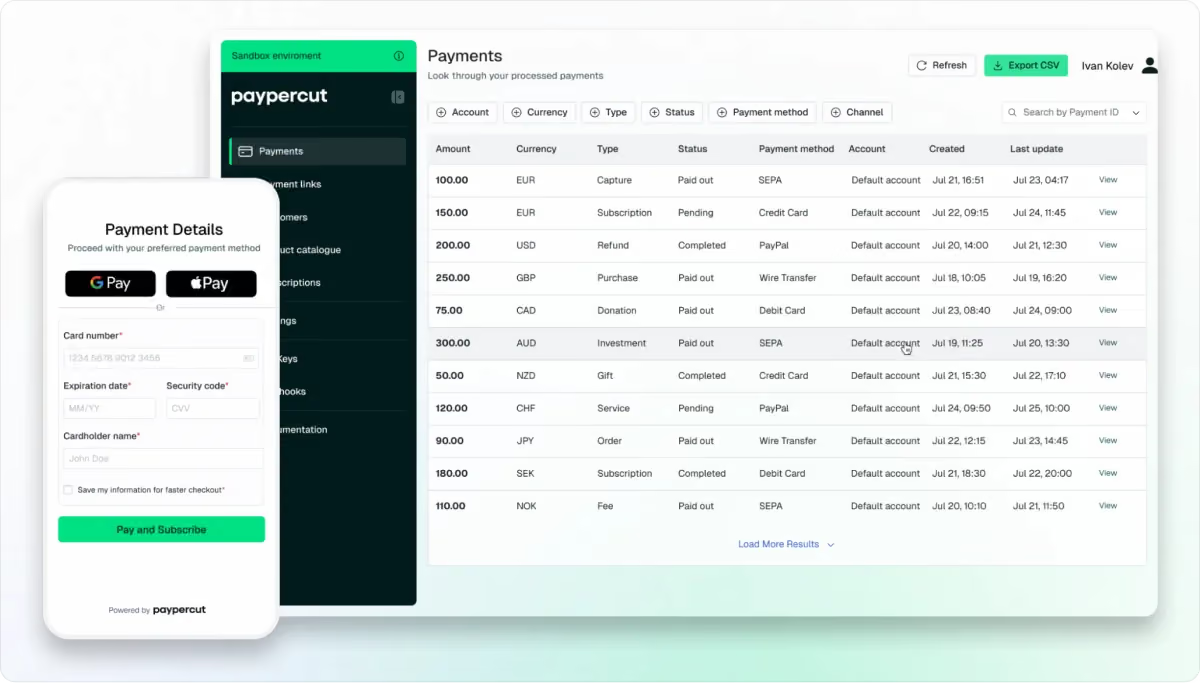
Paypercut jest w pełni dostosowany do lokalnych warunków i obsługuje lokalne waluty, metody płatności oraz wymogi związane z rejestracją. Nie musisz zajmować się formalnościami, umowami ani weryfikacją tożsamości – Paypercut zajmie się tym za Ciebie. Możesz oferować ponad 12 walut, bez przeszkód prowadzić sprzedaż w ponad 20 krajach oraz kontrolować sposób naliczania opłat za każdą płatność.
Do zalet Paypercut należą również:
- Prosty w obsłudze system integracji: Podłącz swoje istniejące konto bankowe i skonfiguruj potrzebne metody płatności za pomocą przyjaznego dla użytkownika interfejsu API lub wtyczek dla Shopify, WooCommerce i OpenCart.
- Prosta polityka cenowa: płacisz tylko za zrealizowane transakcje. Łatwo skaluj i rozbudowuj swoją działalność. Możesz zrezygnować w dowolnym momencie. Paypercut nie wiąże Cię miesięcznymi umowami.
- Płynny proces realizacji transakcji: Zapewnij swoim klientom bezpieczny i płynny proces realizacji transakcji dzięki sprawdzonym portfelom i szybkim procedurom. Dodaj do tego logo firmy i kolory marki.
- Naprawdę pomocna obsługa klienta: uzyskaj odpowiedzi i szybko rozwiązuj problemy dzięki wsparciu regionalnych ekspertów Paypercut.
Zacznij korzystać z Paypercut i pozwól swoim klientom płacić w sposób, który im najbardziej odpowiada.