
Dla przedsiębiorców, którzy chcą rozpocząć działalność w branży e-commerce bez konieczności posiadania magazynu lub ponoszenia dużych nakładów kapitałowych, dropshipping w Rumunii stanowi jeden z najłatwiej dostępnych sposobów na rozpoczęcie działalności.
Kraj ten odnotowuje wzrost PKB, posiada coraz bardziej cyfrową infrastrukturę oraz grono konsumentów, którzy przyzwyczaili się do robienia zakupów online.
Ponadto strategiczne położenie Rumunii oraz jej członkostwo w UE niosą ze sobą wiele korzyści. Bezcłowy handel wewnątrzunijny ułatwia logistykę i ekspansję, skraca czas dostaw oraz pozwala utrzymać niższe opłaty. Korzyści te działają na Państwa korzyść, a także poprawiają jakość obsługi Państwa klientów.
W tym przewodniku wyjaśniono, jak rozpocząć działalność w modelu dropshipping w Rumunii. Znajdziesz tu informacje na temat wymogów prawnych dotyczących założenia firmy oraz praktyczne wskazówki dotyczące uruchomienia sklepu.
Najważniejsze wnioski
- Przestrzeganie przepisów prawnych nie podlega dyskusji.
Musisz zarejestrować swoją firmę, regularnie płacić podatki, terminowo wystawiać faktury oraz przestrzegać przepisów dotyczących ochrony danych i praw konsumentów. Nieprzestrzeganie tych zasad może pociągać za sobą poważne konsekwencje.
- Odpowiadasz za jakość produktów.
Rumuńskie przepisy dotyczące ochrony konsumentów wymagają przeprowadzenia badań jakości, udzielenia dwuletniej gwarancji oraz podania jasnych informacji o produkcie w języku rumuńskim.
- Skup się na doświadczeniach klientów.
Rumuńscy konsumenci cenią sobie szybką dostawę, przystępne ceny i elastyczne zasady zwrotów. Wybieraj dostawców oferujących realizację zamówień na miejscu lub w UE i stwórz sklep dostosowany do urządzeń mobilnych oraz obsługujący popularne metody płatności.
- Paypercut ułatwia wprowadzenie produktu na rynek i rozwój firmy.
Paypercut obsługuje karty, portfele cyfrowe oraz opcję „kup teraz, zapłać później” (BNPL) w ramach jednej integracji. Dzięki w pełni cyfrowej rejestracji, braku wiążących umów oraz lokalnemu wsparciu na ponad 29 rynkach europejskich łatwo jest rozpocząć przyjmowanie płatności online w Rumunii, a następnie rozszerzać działalność na inne kraje.
Ważne kwestie prawne dla osób zamierzających rozpocząć działalność w modelu dropshipping w Rumunii
Przestrzeganie wszystkich wymogów prawnych ma zasadnicze znaczenie dla prowadzenia udanej działalności w modelu dropshipping w Rumunii. Poniższe sekcje zawierają pewne wskazówki, jednak należy pamiętać, że nie stanowią one porady prawnej ani podatkowej. Mają one na celu wyłącznie przekazanie informacji i pomoc w zaplanowaniu tego procesu.
Skonsultuj się z certyfikowanym rumuńskim prawnikiem i księgowym, aby omówić wszystkie szczegóły i być na bieżąco z wszelkimi zmianami.
Modele biznesowe
Rejestracja działalności gospodarczej w Rumunii jest obowiązkowa. Najbardziej odpowiednimi formami prawnymi dla firm zajmujących się dropshippingiem są PFA i SRL. Warunki ich funkcjonowania znacznie się różnią, dlatego należy je dokładnie przeanalizować, aby wybrać najlepszą opcję:
Obowiązki podatkowe
System podatkowy będzie zależał od wybranej struktury działalności. W przypadku spółek typu PFA dochód po odliczeniu składek na ubezpieczenie społeczne i zdrowotne podlega opodatkowaniu stawką 10%. Spółki typu SRL charakteryzują się bardziej złożonym systemem podatkowym:
- Podatek od osób prawnych: Mikroprzedsiębiorstwo typu SRL zatrudniające co najmniej jednego pracownika płaci 1% podatku od obrotów, czyli od całkowitych przychodów. Duże przedsiębiorstwa typu SRL oraz przedsiębiorstwa typu SRL bez pracowników płacą 16% podatku od zysku netto.
- Podatek od towarów i usług (VAT): VAT to podatek nakładany na produkty i usługi oferowane przez przedsiębiorstwa zarejestrowane jako płatnicy VAT. W Rumunii standardowa stawka wynosi 21%. Rejestracja jest obowiązkowa dla przedsiębiorstw, których roczny obrót przekracza 395 000 RON (ok. 80 000 EUR).
- Inne podatki: Możesz być również zobowiązany do zapłaty podatków od dywidend wypłacanych akcjonariuszom, zysków kapitałowych, dóbr luksusowych oraz innych dochodów.
Jeśli planujesz prowadzić działalność transgraniczną, możesz kwalifikować się do skorzystania ze specjalnych systemów VAT, które ułatwiają wypełnianie obowiązków podatkowych:
- System „jednego okienka” (OSS), który ma zastosowanie do sprzedaży na terenie UE
- System „Import One-Stop-Shop” (IOSS), który ma zastosowanie do importu towarów o wartości poniżej 150 euro spoza UE
Fakturowanie i księgowość
Zgodnie ze zmianami wprowadzonymi w styczniu 2026 r. konieczne będzie wystawianie faktur za każdą transakcję oraz zgłaszanie ich na platformie RO e-factura w ciągu 5 dni roboczych od daty wystawienia.

Aby spełnić wymogi norm, faktury muszą zawierać wszystkie wymagane informacje, takie jak numer seryjny, dane identyfikacyjne sprzedawcy i nabywcy oraz stawkę VAT. Faktury dotyczące transakcji krajowych muszą być sporządzone w języku rumuńskim, natomiast faktury dotyczące transakcji międzynarodowych powinny być sporządzone w języku angielskim lub w dwóch językach.
Jeśli chodzi o księgowość, sposób jej prowadzenia zależy od modelu biznesowego. W przypadku PFA dopuszczalna jest księgowość jednokrotna, która wymaga jedynie prowadzenia rejestrów przychodów i zapasów. Natomiast w przypadku SRL obowiązkowa jest księgowość podwójna, obejmująca miesięczne bilanse próbne i roczne bilanse. Przedsiębiorstwa typu SRL mają również prawny obowiązek zatrudnienia księgowego.
Od stycznia 2026 r. wszystkie podmioty prawne, w tym spółki z ograniczoną odpowiedzialnością (SRL) i osoby fizyczne prowadzące działalność gospodarczą (PFA), muszą posiadać aktywne konto płatnicze w Rumunii.
Ochrona danych
Ogólne rozporządzenie o ochronie danych (RODO) oraz rumuński organ ds. ochrony danych osobowych (RDPA) nakładają szereg wymogów dotyczących prywatności i bezpieczeństwa danych. Oto niektóre z nich:
- Dbanie o przejrzystość i informowanie o stosowanych środkach gromadzenia i przetwarzania danych
- Szyfrowanie i anonimizacja danych klientów oraz staranne zarządzanie dostępem
- Powiadamianie organów i klientów w przypadku naruszenia bezpieczeństwa danych
- Umożliwienie klientom łatwego zgłaszania wniosków o poprawienie i usunięcie danych
- Prowadzenie dochodzeń w sprawie ochrony danych osobowych oraz rozpatrywanie skarg
Ochrona konsumentów
W Rumunii obowiązują surowe przepisy dotyczące praw konsumentów. Jako sprzedawca ponosisz pełną odpowiedzialność za każdy produkt, nawet jeśli nigdy go nie dotknąłeś. Konieczne działania obejmują:
- Kontrola jakości: Przed rozpoczęciem sprzedaży upewnij się, że produkt spełnia rumuńskie normy dotyczące zdrowia i bezpieczeństwa oraz że w razie potrzeby posiada odpowiednie etykiety ostrzegawcze. Niektóre grupy produktów mogą również wymagać przeprowadzenia badań i uzyskania certyfikatu.
- Dwuletnia gwarancja: Wymagane jest udzielenie co najmniej dwuletniej gwarancji jakości oraz zapewnienie naprawy w przypadku wad produktu.
- Informacje o sklepie: Twój sklep musi zawierać dane firmy, w tym jej oficjalną nazwę, kod i numer rejestracyjny oraz adres siedziby.
- Informacje o produkcie: W przypadku każdego sprzedawanego produktu należy podać wszystkie istotne szczegóły, od parametrów technicznych po potencjalne zagrożenia związane z użytkowaniem.
- Język i waluta: Wszystkie informacje muszą być pod ane w języku rumuńskim oraz muszą być jasne i zrozumiałe. Ceny muszą być podane w RON i zawierać podatek VAT.
Nieprzestrzeganie tych wymogów może skutkować nałożeniem kar pieniężnych, zakazem sprzedaży niektórych towarów, a nawet tymczasowym zawieszeniem działalności.
Jak rozpocząć działalność w modelu dropshipping w Rumunii: od pomysłu do zysku w 6 krokach
Skoro znasz już niuanse prawne związane z prowadzeniem działalności w modelu dropshipping w Rumunii, czas przejść do konkretnych kroków.
1. Wybierz niszę
Jeśli jeszcze nie zdecydowałeś, co chcesz sprzedawać, a chcesz osiągnąć jak największy zysk, pomocne może okazać się zrozumienie zachowań konsumentów. W ciągu ostatnich kilku lat największą popularnością cieszyły się następujące kategorie w handlu elektronicznym:
- Moda i obuwie
- Kosmetyki i higiena osobista
- Elektronika
- Żywność i napoje
- Artykuły pierwszej potrzeby
- Zabawki i hobby
- Leki dostępne bez recepty
- Meble i dekoracje
Chociaż Rumuni generalnie cenią sobie przystępne ceny, produkty z wyższej półki zyskują na popularności, zwłaszcza na obszarach miejskich. Warto również zauważyć, że około 60% transakcji detalicznych zawierają kobiety, podczas gdy rodziny z dziećmi stanowią 35%.

2. Opracuj strategię biznesową
Aby zrealizować swój pomysł, musisz najpierw opracować plan. Upewnij się, że potrafisz odpowiedzieć na następujące podstawowe pytania:
- Co dokładnie zamierzasz sprzedawać? Czy chcesz sprzedawać produkty z niższej czy wyższej półki cenowej?
- Jak szeroki będzie asortyment produktów?
- Jaką kwotę możesz przeznaczyć ogółem oraz na poszczególne działania, takie jak budowa sklepu i marketing?
- Kto pokryje koszty wysyłki – Państwo jako konsument czy obie strony?
- Czy zamierzasz importować towary spoza UE lub sprzedawać je za granicą? (ma to kluczowe znaczenie przy podejmowaniu decyzji o złożeniu wniosku o rejestrację w systemach OSS i IOSS)
- Jak zamierzasz promować swoją firmę? Z jakich kanałów będziesz korzystać? Jak zamierzasz wyróżnić się na tle konkurencji?
Należy określić konkretne, mierzalne cele wraz z terminem ich realizacji oraz wskaźnikami, które posłużą do oceny sukcesu.
Podejmowanie trafnych decyzji będzie wymagało rozważenia dostępnych możliwości w kontekście preferencji konsumentów. Na przykład w jednym z raportów stwierdzono, że cena, szybka dostawa i elastyczność w zakresie zwrotów są czynnikami decydującymi dla rumuńskich konsumentów. Ponadto 41% z nich twierdzi, że bezpłatna dostawa jest najważniejszym czynnikiem przy wyborze sklepu internetowego.
Warto również przyjrzeć się czołowym firmom z branży e-commerce i dropshippingu w Rumunii oraz ich ofercie – właśnie tego będą oczekiwać od Ciebie Twoi klienci. Wielu nowych sprzedawców analizuje również serwis eMAG, aby zorientować się w cenach, oczekiwaniach dotyczących dostaw oraz popycie w poszczególnych kategoriach.
3. Znajdź dostawców oferujących produkty wysokiej jakości
Twój dostawca może zdecydować o sukcesie lub porażce w zakresie obsługi klienta, dlatego warto go starannie wybrać. Poszukaj lokalnych partnerów lub takich, którzy oferują lokalną realizację zamówień. Najlepiej, aby dysponowali magazynem w Rumunii lub innym kraju UE. Zapewni to krótszy czas dostawy i niższe koszty wysyłki, a te dwa czynniki są bardzo cenione przez rumuńskich klientów.
Zanim podejmiesz decyzję, oceń dostawców pod kątem Twojej niszy rynkowej, asortymentu produktów, jakości opakowań oraz oferowanych przez nich opcji dostawy i płatności. Sprawdź również, jak dostawcy radzą sobie z reklamacjami, dokładnością stanów magazynowych i terminowością realizacji zamówień, ponieważ ma to bezpośredni wpływ na zaufanie klientów.
Płatność przy odbiorze nadal cieszy się popularnością w Rumunii, dlatego Twój dostawca powinien oferować tę opcję. Dla wielu rumuńskich klientów, którzy dokonują zakupów po raz pierwszy, płatność przy odbiorze stanowi w pewnym sensie mechanizm budowania zaufania, a nie tylko sposób płatności.
Aby zachować zgodność z rumuńskimi przepisami, zamów próbki i samodzielnie przetestuj produkty. Jeśli nie spełniają one Twoich standardów, nie spełnią ich również Twoi klienci. Na koniec upewnij się, że ich ceny są dostosowane do Twoich marż, abyś mógł utrzymać rentowność w miarę rozwoju działalności.
4. Zarejestruj swoją firmę
Po zebraniu niezbędnych dokumentów możesz zarejestrować swoją firmę w Krajowym Urzędzie Rejestru Handlowego (ONRC). Ten etap będzie najbardziej czasochłonny i najtrudniejszy, ale też najważniejszy. Dobrą wiadomością jest to, że możesz dokonać rejestracji online za pośrednictwem portalu ONRC.
5. Stwórz swój sklep internetowy
Stworzenie własnego sklepu internetowego to najlepsze rozwiązanie. Zapewnia ono pełną kontrolę nad wizerunkiem marki, doświadczeniem klientów oraz możliwościami rozwoju w dłuższej perspektywie.
Jeśli pozwala na to Twój budżet, możesz stworzyć sklep od podstaw. Bardziej przystępną cenowo i popularną opcją są platformy takie jak Shopify i WooCommerce, które umożliwiają szybkie rozpoczęcie działalności dzięki kreatorom typu „przeciągnij i upuść”, gotowym szablonom oraz wbudowanym integracjom.
Wybierając platformę, upewnij się, że:
- Posiada certyfikat bezpieczeństwa SSL
- Obsługuje śledzenie przesyłek oraz inne potrzebne integracje
- Oferuj różne formy płatności, w tym płatność przy odbiorze
- Jest dostosowana do urządzeń mobilnych (rumuńscy konsumenci często robią zakupy przez telefon)
Jeśli dysponujesz ograniczonym budżetem, możesz zacząć sprzedawać za pośrednictwem mediów społecznościowych, takich jak Instagram, TikTok czy Facebook. Pamiętaj jednak, że takie podejście wiąże się z ograniczonymi możliwościami, mniejszą kontrolą nad procesem zakupowym i może sprawiać na klientach wrażenie mniej wiarygodnego w porównaniu z dedykowanym sklepem internetowym.
Po skonfigurowaniu sklepu dodaj wysokiej jakości zdjęcia produktów oraz szczegółowe opisy, aby zachować zgodność z rumuńskimi przepisami dotyczącymi ochrony konsumentów. Dokładnie oblicz ceny – uwzględniając koszt produktu, podatek VAT, koszty wysyłki, opłaty platformy oraz swoją marżę – i zacznij promować swoją ofertę.
6. Skonfiguruj metody płatności
Rumuńscy klienci oczekują elastyczności przy finalizacji transakcji, w tym takich metod płatności jak:
- Karty płatnicze, takie jak Visa i Mastercard
- Portfele cyfrowe, takie jak Apple Pay i Google Pay
- Usługi płatności mobilnych, takie jak RoPay i BLIK
- Płatność przy odbiorze
- Kup teraz, zapłać później
Musisz zdecydować, jakie metody płatności udostępnić, biorąc pod uwagę grupę docelową oraz możliwości swojej platformy. Zaproponowanie odpowiedniego zestawu metod płatności może zmniejszyć liczbę porzuconych koszyków.
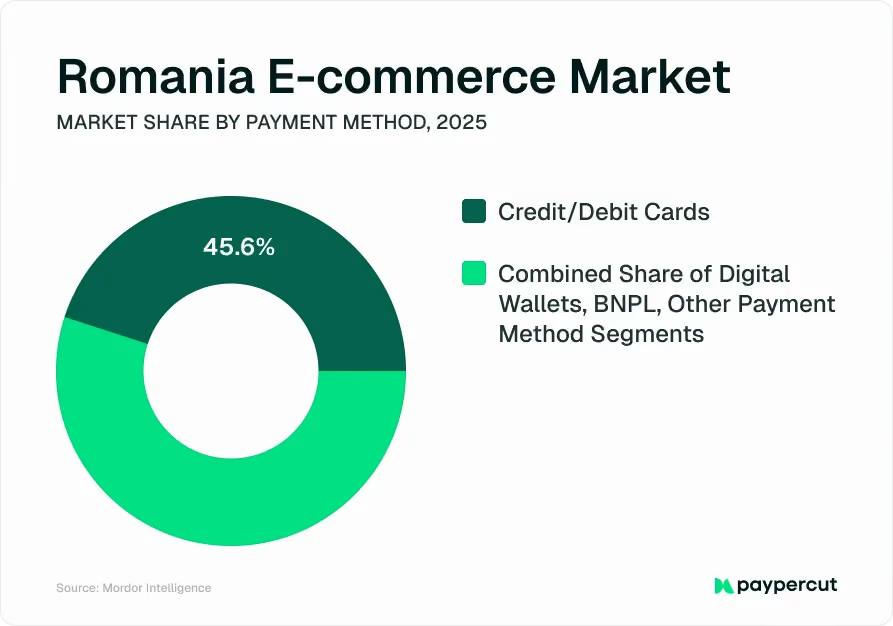
Zarządzanie wieloma dostawcami usług płatniczych może szybko stać się skomplikowane, zwłaszcza jeśli planujesz prowadzić sprzedaż za granicą, ale odpowiednie rozwiązanie płatnicze może w tym pomóc.
Na przykład Paypercut umożliwia obsługę kart płatniczych, portfeli elektronicznych oraz wielu dostawców usług „kup teraz, zapłać później” za pośrednictwem jednej integracji i panelu administracyjnego. Oferuje również w pełni cyfrowy proces rejestracji i zajmuje się za Ciebie dokumentacją dotyczącą zgodności z przepisami, dzięki czemu możesz skupić się na rozwoju swojej działalności w modelu dropshipping, zamiast na kwestiach technicznych.
Uprość płatności dzięki Paypercut
Rozpoczęcie działalności w modelu dropshipping wiąże się z koniecznością koordynowania współpracy z dostawcami, działań marketingowych i obsługi klienta. Konfiguracja systemu płatności nie powinna dodatkowo komplikować tej sytuacji.
Paypercut to platforma internetowa, która pozwala szybko rozpocząć działalność i z łatwością zarządzać płatnościami.
Rozwiązanie to zostało stworzone z myślą o małych i średnich przedsiębiorstwach w Europie Środkowej i Wschodniej i jest w pełni dostosowane do rynku rumuńskiego oraz wielu innych rynków europejskich. Dzięki niemu możesz oferować popularne lokalne rozwiązania płatnicze, przyjmować i przechowywać środki w walucie rumuńskiej oraz zapewnić zgodność z przepisami przy minimalnym wysiłku.

Dla nowych firm kluczowe znaczenie ma staranne zarządzanie kosztami. Dzięki prostemu i przejrzystemu modelowi cenowemu Paypercut płacisz wyłącznie za zrealizowane transakcje i nie jesteś związany długoterminową umową.
Dodatkowe korzyści to:
- Wiele sposobów płatności: Zaproponuj swoim klientom różne opcje płatności przy finalizacji zamówienia, w tym karty płatnicze, portfele elektroniczne, płatności dzielone, kody QR i linki do płatności.
- Prosta integracja ze sklepem: łatwo połącz Paypercut ze swoim sklepem za pomocą wtyczek dla WooCommerce, OpenCart i Shopify lub skorzystaj z API, jeśli posiadasz własną stronę internetową.
- Obsługa BNPL: Zaproponuj swoim klientompłatność w ratach. Wybierz opcję płatności z góry lub skorzystaj z niższych opłat dzięki modelowi BNPL finansowanemu przez sprzedawcę.
- Wbudowana skalowalność: Rozszerz działalność poza rynek rumuński bez konieczności przebudowywania systemu płatności online. Sprzedawaj w ponad 29 krajach i akceptuj ponad 12 walut.
- Prawdziwa pomoc od prawdziwych ludzi: Jeśli masz pytania lub napotkasz problem, skontaktuj się z regionalnymi ekspertami.
Skontaktuj się z Paypercut już dziś, uruchom proces realizacji zamówień w ciągu kilku dni i zapewnij swojej firmie zajmującej się dropshippingiem warunki do rozwoju.