
Europejski rynek handlu elektronicznego jest już ogromny i wciąż się rozwija, a jego przychody mają osiągnąć poziom 770 mld euro w 2026 roku. Oznacza to wzrost rzędu 8,5%, czyli wyższy niż w obu Amerykach.
Rozwój europejskiego rynku handlu elektronicznego wynika z dobrze rozwiniętej infrastruktury cyfrowej, wysokiego wskaźnika dostępu do Internetu oraz stale rosnącej liczby osób dokonujących zakupów online – w 2024 r. 77% użytkowników Internetu będzie kupować towary lub usługi w sieci.
Warunki te sprawiają, że Europa jest bardzo korzystnym rynkiem dla sprzedaży internetowej, o ile tylko dysponujesz odpowiednim systemem płatności.
W tym miejscu pojawia się dylemat : dostawca usług płatniczych czy bramka płatnicza?
Oba rozwiązania umożliwiają przyjmowanie płatności cyfrowych, ale wiążą się z różnymi kompromisami w zakresie kosztów, kontroli i nakładu pracy.
Ten przewodnik pomoże Ci zrozumieć te kompromisy i ostatecznie zdecydować, które rozwiązanie będzie bardziej odpowiednie dla Twojej firmy.
Najważniejsze wnioski
- PSP obsługują cały proces, a bramki płatnicze tylko jeden etap
Dostawca usług płatniczych (PSP) obsługuje cały proces płatności, od realizacji transakcji aż po wypłatę środków. Bramka płatnicza zajmuje się jedynie bezpiecznym przesyłaniem danych, więc do zakończenia procesu potrzebni są dodatkowi dostawcy. - Wybór konfiguracji ma bezpośredni wpływ na stopień złożoności i czas potrzebny do uruchomienia
. Konfiguracje typu PSP są szybsze w wdrożeniu, ponieważ wszystkie elementy są połączone w jedną całość. Konfiguracje typu gateway trwają dłużej, ponieważ wymagają połączenia i zarządzania wieloma komponentami, takimi jak procesory płatności, narzędzia do wykrywania oszustw oraz konta akceptantów. - Kluczowym dylematem jest wybór między kontrolą a prostotą
Bramki płatnicze zapewniają większą kontrolę nad routingiem, opłatami i przepływami płatności, co ma znaczenie przy obsłudze dużej liczby transakcji. Dostawcy usług płatniczych (PSP) stawiają na prostotę dzięki gotowym konfiguracjom, co na początku działalności lepiej sprawdza się w przypadku większości małych i średnich przedsiębiorstw. - Na pierwszy rzut oka koszty wydają się proste, ale zmieniają się wraz z rozwojem działalności. W przypadku platformy PSP
cennik jest łatwiejszy do zrozumienia dzięki jednej, ryczałtowej opłacie. Konfiguracja bramki płatniczej jest bardziej skomplikowana, ale pozwala na optymalizację kosztów w ramach różnych dostawców, co nabiera znaczenia przy większym wolumenie transakcji. - Jeśli zależy Ci zarówno na prostocie, jak i elastyczności, istnieje kompromisowe rozwiązanie:
Jeśli chcesz uniknąć konieczności zarządzania wieloma dostawcami, ale nadal potrzebujesz elastyczności w zakresie rynków i metod płatności, rozwiązanie takie jak Paypercut zapewnia jedną integrację obsługującą karty, portfele elektroniczne i opcję „kup teraz, zapłać później” (BNPL), z wbudowaną lokalną logiką płatności i bez konieczności skomplikowanej konfiguracji.
Czym jest dostawca usług płatniczych?
Dostawca usług płatniczych (PSP) to firma, która umożliwia przyjmowanie płatności internetowych bez konieczności samodzielnego konfigurowania i zarządzania wszystkimi elementami systemu.
Zasadniczo dostawca usług płatniczych pełni rolę pośrednika między Twoją firmą, klientem a bankami uczestniczącymi w transakcji.
Zamiast łączyć się z każdą częścią osobno, wystarczy jednorazowo zintegrować się z PSP, a ono zajmie się resztą.
Jak działa dostawca usług płatniczych?
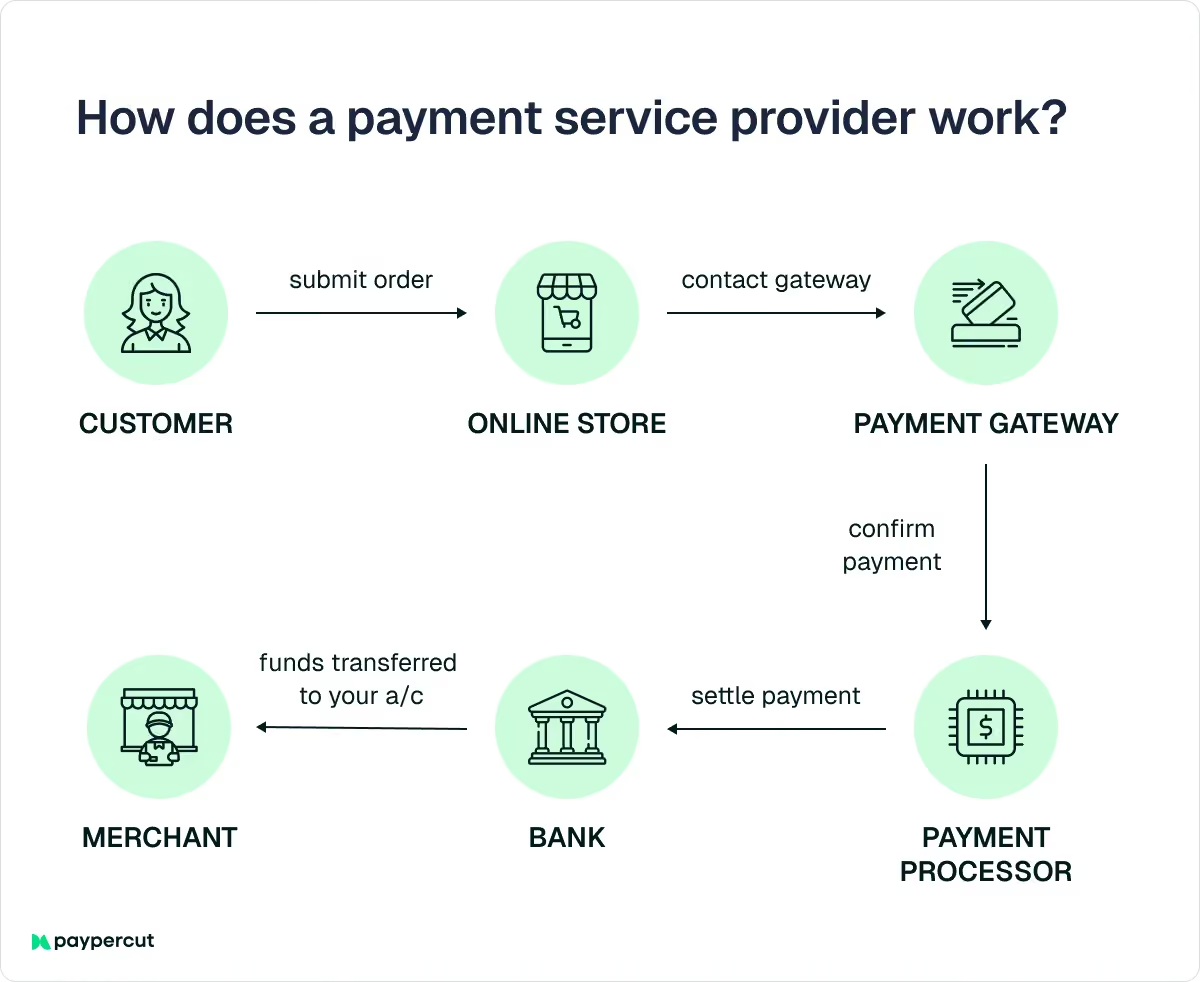
Dostawca usług płatniczych obsługuje za Ciebie cały proces płatności, łącząc wszystkie zaangażowane strony i zarządzając komunikacją między nimi.
W praktyce wygląda to tak:
- Klient wprowadza dane dotyczące płatności: Podczas finalizacji zamówienia klient wybiera metodę płatności i podaje swoje dane.
- PSP rejestruje i wysyła zlecenie płatnicze: PSP w bezpieczny sposób gromadzi dane i przekazuje je odpowiednim partnerom finansowym.
- Banki i sieci kartowe przetwarzają transakcję: żądanie trafia przez sieci kartowe do banku klienta, który sprawdza stan środków na koncie oraz przeprowadza podstawowe kontrole pod kątem oszustw i bezpieczeństwa, a następnie zatwierdza lub odrzuca płatność.
- Zwracana jest informacja o zatwierdzeniu lub odrzuceniu: bank klienta przesyła decyzję tą samą ścieżką z powrotem do dostawcy usług płatniczych.
- Wynik otrzymujesz natychmiast: system PSP wyświetla wynik w momencie finalizacji transakcji (płatność zakończona sukcesem lub niepowodzeniem).
- Środki zostaną przelane na Twoje konto: W przypadku zatwierdzenia transakcji dostawca usług płatniczych (PSP) zorganizuje przelanie środków na Twoje konto handlowe, a następnie ich wypłatę na Twoje konto.
Zalety i wady dostawców usług płatniczych
Zalety
- Prosta konfiguracja: Możesz szybko zacząć przyjmować płatności bez konieczności nawiązywania oddzielnych relacji z bankami lub dostawcami usług płatniczych.
- Kompleksowe rozwiązanie: płatności , rozliczenia, raportowanie oraz podstawowe narzędzia do wykrywania nadużyć są obsługiwane w jednym miejscu.
- Różnorodne metody płatności: Dzięki jednej integracji możesz oferować płatności kartą, za pomocą portfeli elektronicznych oraz lokalnych metod płatności.
- Łatwiejsza ekspansja międzynarodowa: Wielu dostawców usług płatniczych (PSP) od razu obsługuje wiele walut i lokalne metody płatności.
- Wbudowana zgodność z przepisami i zabezpieczenia: dostawca usług płatniczych (PSP) zajmuje się za Ciebie wieloma wymogami regulacyjnymi i zabezpieczeniami.
- Scentralizowane raportowanie: otrzymujesz jeden pulpit nawigacyjny, na którym możesz śledzić transakcje, wypłaty i wyniki.
Wady
- Wyższe koszty przy większym wolumenie: opłaty za transakcję mogą stać się kosztowne wraz ze wzrostem wolumenu.
- Mniejsza elastyczność: Możliwości dostosowywania procesów płatniczych lub kierowania transakcji są często ograniczone.
- Ograniczenia dotyczące wypłat i rozliczeń: Harmonogram i struktura wypłat są ustalane przez dostawcę usług płatniczych, a nie przez Ciebie.
Czym jest bramka płatnicza?
Brama płatnicza to cyfrowy odpowiednik terminala kartowego, którego zadaniem jest bezpieczne przesyłanie danych dotyczących płatności z kasy do podmiotu obsługującego płatności oraz przekazywanie wyniku z powrotem do Twojej witryny.
Jak działa bramka płatnicza?
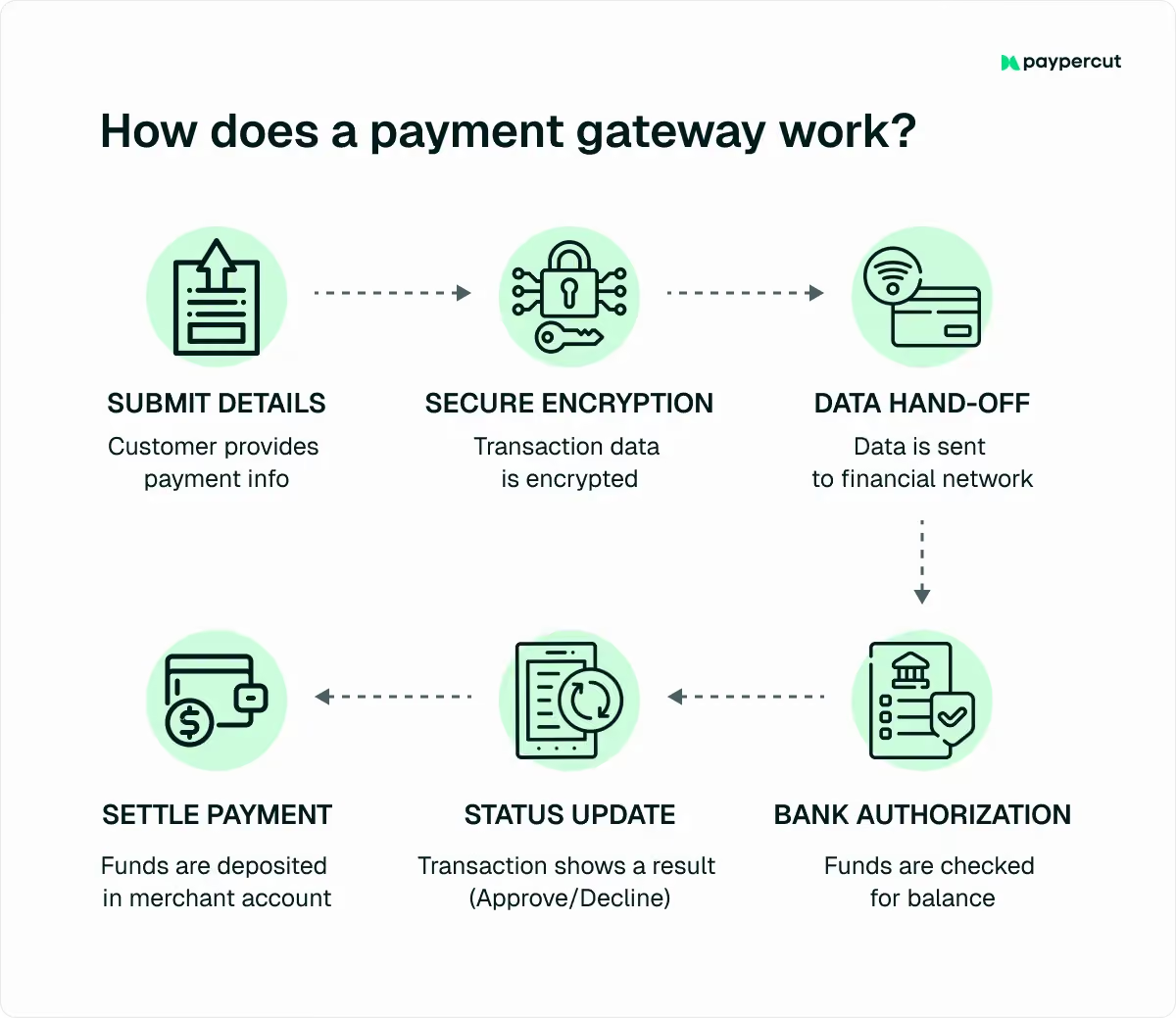
Brama płatnicza stanowi ogniwo łączące proces realizacji transakcji z pozostałą częścią systemu płatności, zapewniając bezpieczną wymianę danych i zwracając wynik w ciągu kilku sekund.
Proces wygląda następująco:
- Klient wprowadza dane do płatności: Podczas finalizacji zamówienia klient podaje dane karty lub portfela elektronicznego.
- Gateway szyfruje dane: dane dotyczące płatności są zabezpieczone, dzięki czemu nie można ich przechwycić.
- Dane są przesyłane do podmiotu przetwarzającego płatności lub banku obsługującego transakcję: bramka przekazuje zaszyfrowane informacje do kolejnego ogniwa łańcucha płatności.
- Wystosowywany jest wniosek o autoryzację do banku klienta: transakcja jest weryfikowana za pośrednictwem sieci kart płatniczych oraz banku wydającego kartę.
- Zwracany jest komunikat o zatwierdzeniu lub odrzuceniu: Wynik jest przesyłany z powrotem przez bramkę do Twojej kasy.
- Transakcja przechodzi do rozliczenia: W przypadku zatwierdzenia płatność jest przekazywana do przetworzenia i wypłaty (obsługiwana poza bramką płatniczą).
Zalety i wady bramek płatniczych
Zalety
- Większa kontrola nad konfiguracją: Możesz samodzielnie wybrać podmiot obsługujący transakcje, podmiot przetwarzający płatności oraz schemat realizacji płatności.
- Elastyczna integracja: Rozwiązanie to doskonale współdziała z systemami tworzonymi na zamówienie oraz z istniejącymi relacjami bankowymi.
- Niższe koszty przy większej skali: Opłaty można zoptymalizować poprzez bezpośrednie negocjacje z dostawcami.
- Opcje niestandardowego kierowania: Możesz kierować transakcje na podstawie kosztów, lokalizacji geograficznej lub wydajności.
- Solidna warstwa zabezpieczeń: zapewnia szyfrowanie i bezpieczną transmisję danych podczas realizacji transakcji.
Wady
- Bardziej skomplikowana konfiguracja: musisz samodzielnie podłączyć wielu dostawców i zarządzać nimi.
- Konieczność posiadania konta handlowego: Przed rozpoczęciem przyjmowania płatności należy zorganizować własną obsługę płatności.
- Większa odpowiedzialność za zapewnienie zgodności z przepisami: Będziesz odpowiadać za większą część wymogów dotyczących bezpieczeństwa i przepisów.
- Rozproszone raportowanie: Dane są rozproszone po różnych systemach, chyba że stworzy się własną warstwę raportową.
- Dłuższy czas wdrożenia: Uruchomienie wszystkich elementów wymaga większej koordynacji i więcej testów.
Dostawca usług płatniczych a bramka płatnicza: 6 kluczowych różnic
Te sześć różnic pomoże Ci zrozumieć, w jakich obszarach poszczególne opcje powodują utrudnienia, a w jakich pozwalają zaoszczędzić wysiłek, dzięki czemu będziesz mógł wybrać konfigurację najlepiej odpowiadającą Twoim potrzebom w zakresie obsługi płatności.
1. Zakres usług
Główną różnicą między dostawcami usług płatniczych a bramkami płatniczymi jest to, jaką część procesu płatności faktycznie obsługuje każda z tych opcji.
Brama płatnicza obsługuje tylko jeden etap: w bezpieczny sposób rejestruje dane dotyczące płatności w momencie finalizacji transakcji i przekazuje je do kolejnego podmiotu (np. podmiotu przetwarzającego płatności lub banku obsługującego transakcję). Jest to warstwa techniczna skupiająca się na przesyłaniu danych.
Dostawca usług płatniczych obsługuje cały proces płatności. Obejmuje to funkcję bramki płatniczej, ale także przetwarzanie i rozliczanie płatności, a często także udostępnienie konta handlowego.
Innymi słowy, konsola ta stanowi jedynie jeden z elementów pakietu oferowanego już przez dostawcę usług internetowych.
2. Obsługa kont handlowych
Konto handlowe to konto, na którym przechowywane są Twoje środki przed wypłatą.
W przypadku korzystania z bramki płatniczej konieczne jest założenie własnego konta handlowego w banku obsługującym transakcje, ponieważ sama bramka takiego konta nie zapewnia. Zapewnia to większą kontrolę, ale wiąże się również z większą liczbą umów, procesem wdrażania oraz bieżącym zarządzaniem.
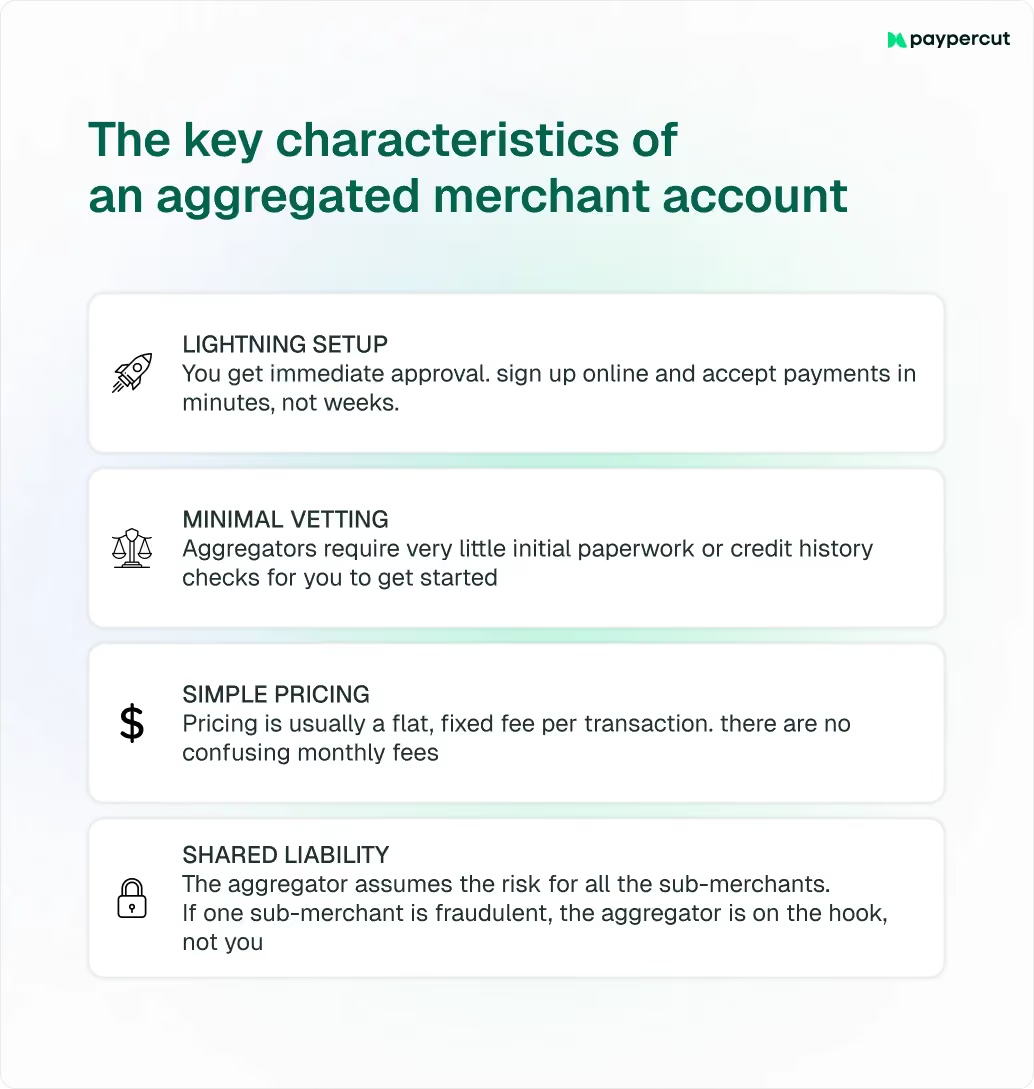
W przypadku współpracy z dostawcą usług płatniczych wszystko to załatwia się za Ciebie. Większość dostawców usług płatniczych oferuje zbiorcze konto handlowe, dzięki czemu nie musisz nawiązywać bezpośredniej współpracy z bankiem obsługującym transakcje. Wystarczy podpisać jedną umowę, aby móc zacząć przyjmować płatności.
3. Infrastruktura i konfiguracja
Różnica polega tutaj na tym, ile trzeba wykonać samodzielnie.
Korzystając z bramki płatniczej, tworzysz własną infrastrukturę płatniczą.
Brama zapewnia podstawowe połączenie, ale nadal konieczne jest zintegrowanie i zarządzanie pozostałymi elementami: połączeniami z systemami bankowymi, narzędziami do wykrywania oszustw, konfiguracją zgodności z przepisami oraz raportowaniem.
Zazwyczaj oznacza to więcej pracy dla zespołu programistów oraz większą potrzebę koordynacji działań między dostawcami.
W przypadku dostawcy usług płatniczych większość tej infrastruktury jest już gotowa.
Otrzymujesz kompleksowe rozwiązanie, które obejmuje zabezpieczenia, zgodność z przepisami, wiele metod płatności oraz ujednolicony panel kontrolny.
4. Rozliczenia i przepływy środków
Brama płatnicza nie obsługuje płatności; jedynie przekazuje transakcję dalej.
Środki są przekazywane z banku klienta na Twoje konto handlowe za pośrednictwem banku obsługującego transakcje.
PSP zajmie się tym za Ciebie.
System ten obsługuje rozliczenia i po zakończeniu przetwarzania przelewa środki na Twoje konto.
5. Dostosowywanie i sterowanie
Wszystkie dodatkowe komplikacje związane z konfiguracją bramki płatniczej mają jedną kluczową zaletę: masz pełną kontrolę nad strukturą swoich płatności.
Możesz wybrać operatora płatności, negocjować opłaty oraz decydować o sposobie kierowania i przetwarzania transakcji.
W przypadku PSP możliwości sterowania są ograniczone.
Ceny, przepływy i konfiguracja są w większości z góry ustalone, co przyspiesza uruchomienie, ale utrudnia dostosowanie rozwiązania w miarę rozwoju firmy.
6. Ceny i struktura kosztów
Jeśli chodzi o ceny, dostawcy usług płatniczych są bardziej przejrzyści i łatwiej przewidzieć ich koszty, ponieważ jedna opłata obejmuje praktycznie wszystko.
Z drugiej strony konfiguracja bramy może wydawać się bardziej skomplikowana, ale daje możliwość optymalizacji kosztów w ramach różnych dostawców, co zaczyna mieć znaczenie wraz ze wzrostem wolumenu.
Oto, czym różnią się te modele cenowe w praktyce:
Dostawca usług płatniczych a bramka płatnicza: które rozwiązanie jest bardziej odpowiednie dla Twojej firmy?
To, czy w przypadku Twojej firmy bardziej opłacalne będzie skorzystanie z usług dostawcy usług płatniczych, czy też bramki płatniczej, zależy od etapu rozwoju firmy, wielkości obrotów oraz stopnia kontroli, jaki chcesz zachować nad przepływem płatności.
Kiedy wybór dostawcy usług płatniczych jest bardziej uzasadniony
- Chcesz szybko uruchomić serwis bez konieczności tworzenia pełnej infrastruktury płatności (np. nowy sklep Shopify lub WooCommerce wprowadzany na wiele rynków)
- Wolisz współpracować z jednym dostawcą zamiast zarządzać wieloma partnerami (np. w przypadku małego zespołu, który nie dysponuje osobnym działem płatności ani zasobami technicznymi)
- Od samego początku warto oferować różne metody płatności (np. karty, portfele elektroniczne i lokalne metody płatności).
- Rozszerzasz działalność na nowe rynki i potrzebujesz szybko zapewnić obsługę lokalną (np. wchodząc na rynki Polski, Rumunii i Węgier z lokalnymi opcjami płatności)
- Zależy Ci na przewidywalnych cenach i prostszym funkcjonowaniu firmy(np. rozwijające się małe i średnie przedsiębiorstwo, które ściśle monitoruje marże i przepływy pieniężne).
Kiedy konfiguracja bramki płatniczej jest bardziej uzasadniona
- Masz już skonfigurowaną obsługę płatności i chcesz ją rozbudować.
- Wraz ze wzrostem wolumenu transakcji warto zoptymalizować opłaty u poszczególnych dostawców (np. przy miesięcznym obrocie przekraczającym 1 mln euro).
- Potrzebujesz większej kontroli nad sposobem kierowania i przetwarzania płatności (np. wysyłanie transakcji do różnych podmiotów obsługujących płatności w zależności od kraju)
- Dysponujecie zasobami technicznymi niezbędnymi do obsługi bardziej złożonych rozwiązań (np. własnym zespołem programistów zajmującym się integracjami).
- Potrzebujesz niestandardowych procesów płatniczych lub specjalnych rozwiązań zapewniających zgodność z przepisami(np. w przypadku platform handlowych, serwisów internetowych lub branż podlegających regulacjom).
Paypercut: prostszy sposób na obsługę płatności
Porównanie dostawców usług płatniczych z bramkami płatniczymi jasno pokazuje: z dostawcami usług płatniczych łatwo jest zacząć, natomiast bramki płatnicze zapewniają większą kontrolę w późniejszym etapie.
Jednak obie opcje wiążą się z pewnymi kompromisami.
Dlatego warto rozważyć trzecie rozwiązanie — takie, które z pozoru oferuje prostotę konsoli PSP, a pod maską zapewnia elastyczność routingu charakterystyczną dla bramy sieciowej, nie zmuszając przy tym do rezygnacji z żadnej z tych cech.
Rozwiązaniem tym jest Paypercut – zunifikowana platforma płatnicza stworzona z myślą o małych i średnich przedsiębiorstwach w Europie, której celem jest uproszczenie procesów płatniczych bez narzucania sztywnych rozwiązań, zwłaszcza jeśli prowadzisz sprzedaż na wielu rynkach europejskich.
Dzięki temu możesz:
- Akceptuj karty, portfele i „Kup teraz, zapłać później” dzięki jednej integracji: Oferuj metody płatności, których oczekują Twoi klienci, bez konieczności dodawania oddzielnych dostawców.
- Włącz wielu dostawców usług BNPL bez dodatkowego wysiłku: Zapewnij klientom opcje płatności ratalnych, zarządzając wszystkim z jednego miejsca.
- Wybierz sposób integracji: wtyczki, hostowana kasę, kasę osadzoną lub interfejsy API.
- Pobieraj opłaty nawet bez konieczności przechodzenia przez pełny proces płatności: korzystaj z linków płatniczych lub kodów QR do obsługi faktur, rezerwacji lub szybkich płatności.
- Sprzedawaj w całej Europie dzięki wbudowanym lokalnym rozwiązaniom płatniczym: waluty , metody płatności i kwestie zgodności z przepisami są dostosowane do poszczególnych rynków.
- Zarządzaj płatnościami z jednego pulpitu nawigacyjnego: śledź transakcje, wypłaty i wyniki w jednym miejscu.
Wybór Paypercut do obsługi płatności internetowych oznacza również:
- Mniejsze obciążenie operacyjne: nie ma potrzeby zarządzania wieloma dostawcami, umowami ani integracjami.
- Szybsze wprowadzenie produktu na rynek: w pełni cyfrowe wdrażanie nowych klientów oraz gotowe integracje skracają czas konfiguracji.
- Większa skuteczność procesu realizacji transakcji: lokalne metody płatności i opcje BNPL pomagają zwiększyć współczynnik konwersji oraz wartość zamówienia.
- Prosta i przejrzysta polityka cenowa: płacisz wyłącznie opłaty transakcyjne, bez kosztów uruchomienia i długoterminowych zobowiązań.
- Wsparcie, które naprawdę pomaga: zyskujesz bezpośredni kontakt z prawdziwymi ludźmi, którzy rozumieją specyfikę Twojej działalności i rynek.
Jeśli chcesz zacząć, umów się na 30-minutową konsultację z zespołem Paypercut, aby omówić Twoją obecną konfigurację i sprawdzić, co najlepiej pasuje do Twoich potrzeb, albo od razu załóż konto.
Może Ci się to spodobać
Najczęściej zadawane pytania
Jaka jest różnica między dostawcą usług płatniczych a bramką płatniczą?
Główna różnica między dostawcą usług płatniczych a bramką płatniczą polega na tym, że ta druga zajmuje się bezpiecznym przekazywaniem danych dotyczących płatności, podczas gdy ten pierwszy obsługuje cały proces, w tym przetwarzanie, rozliczanie, a często także prowadzenie konta handlowego.
Czy bramki płatnicze uznaje się za dostawców usług?
Nie, to nieprawda. Bramka płatnicza stanowi jeden z elementów procesu płatności, natomiast dostawca usług oferuje zarówno bramkę, jak i pozostałą infrastrukturę płatniczą.