
PayU stało się jednym z najbardziej rozpoznawalnych dostawców usług płatniczych w Polsce oraz w Europie Środkowej i Wschodniej (CEE).
Codziennie przetwarza ponad 10 milionów transakcji i obsługuje ponad 450 000 akceptantów na całym świecie, a taka skala działalności buduje zaufanie.
Kiedy klienci widzą logo PayU przy kasie, często czują się pewniej, dokonując płatności. Dla wielu firm już sama rozpoznawalność tej marki pomaga zwiększyć współczynniki konwersji.
Sprzedawcy chwalą również to, jak łatwa w obsłudze jest platforma PayU po zakończeniu konfiguracji, a to dzięki jej przyjaznemu dla użytkownika panelowi administracyjnemu.
Aby jednak do tego dojść, trzeba przejść przez proces rejestracji w PayU. A według opinii użytkowników ten etap jest często „niejasny, powolny i źle wyjaśniony”.
Kolejnym słabym punktem jest obsługa klienta, często określana jako„nieodpowiadająca na zgłoszenia”zarówno podczas początkowej konfiguracji, jak i w późniejszym okresie.
Jeśli nie chcesz zajmować się skomplikowanym procesem wdrażania nowych pracowników ani szukać odpowiedzi w dziale pomocy technicznej, warto rozważyć inne rozwiązanie.
Dobra wiadomość jest taka, że zarówno w Polsce, jak i w całym regionie Europy Środkowo-Wschodniej istnieją solidne alternatywy dla PayU, które oferują podobną funkcjonalność, a przy tym prostszą konfigurację i sprawniejszą obsługę klienta. Przygotowaliśmy listę siedmiu najlepszych rozwiązań, aby pomóc Ci znaleźć to, które najlepiej pasuje do Twojej firmy.
Najważniejsze wnioski
- W Europie Środkowo-Wschodniej liczy się lokalna siła
Wiele alternatyw dla PayU odnosi sukcesy dzięki głębokiej integracji z jednym rynkiem. Przelewy24 dominuje nad BLIK w Polsce, Netopia jest liderem w Rumunii, a GoPay i Comgate wyróżniają się w Czechach i na Słowacji dzięki silnej integracji z lokalnymi bankami. - Metody płatności mają bezpośredni wpływ na współczynnik konwersji
Oferowanie rozwiązań, do których klienci już mają zaufanie, takich jak BLIK, lokalne przelewy bankowe, karty ratalne czy portfele mobilne, może znacznie ograniczyć liczbę porzuconych koszyków i poprawić wskaźniki akceptacji. - Przejrzystość cenowa stanowi kluczowy czynnik wyróżniający
. Wiele serwisów stawia na przejrzyste ceny oparte na transakcjach, bez opłat miesięcznych i długoterminowych umów, co ułatwia małym i średnim przedsiębiorstwom planowanie kosztów. - Skalowalność powinna odpowiadać Twoim planom rozwoju
Jeśli planujesz rozszerzyć działalność na region Europy Środkowo-Wschodniej, wybierz dostawcę, który obsługuje rozliczenia w wielu walutach, cykliczne rozliczenia, płatności dzielone oraz sprzedaż transgraniczną, nie zmuszając Cię przy tym do przebudowywania procesu realizacji transakcji. - Jeśli szukasz rozwiązania umożliwiającego rozwój międzynarodowy z opcją BNPL w ramach jednej platformy, Paypercut to najlepszy wybór
Jeśli potrzebujesz jednej integracji obejmującej karty, portfele elektroniczne, płatności ratalne oraz ekspansję na wiele krajów, a do tego szybką cyfrową rejestrację i wsparcie ze strony naszych specjalistów, Paypercut oferuje skalowalne rozwiązanie stworzone specjalnie dla sprzedawców z regionu Europy Środkowo-Wschodniej.
7 najlepszych alternatyw dla PayU w skrócie
*Podane ceny dotyczą krajów Europy Środkowo-Wschodniej i mogą się różnić w zależności od warunków transakcji, regionu oraz wybranego planu. Aktualne i szczegółowe informacje na temat cen można znaleźć na oficjalnych stronach internetowych dostawców.
1. Paypercut
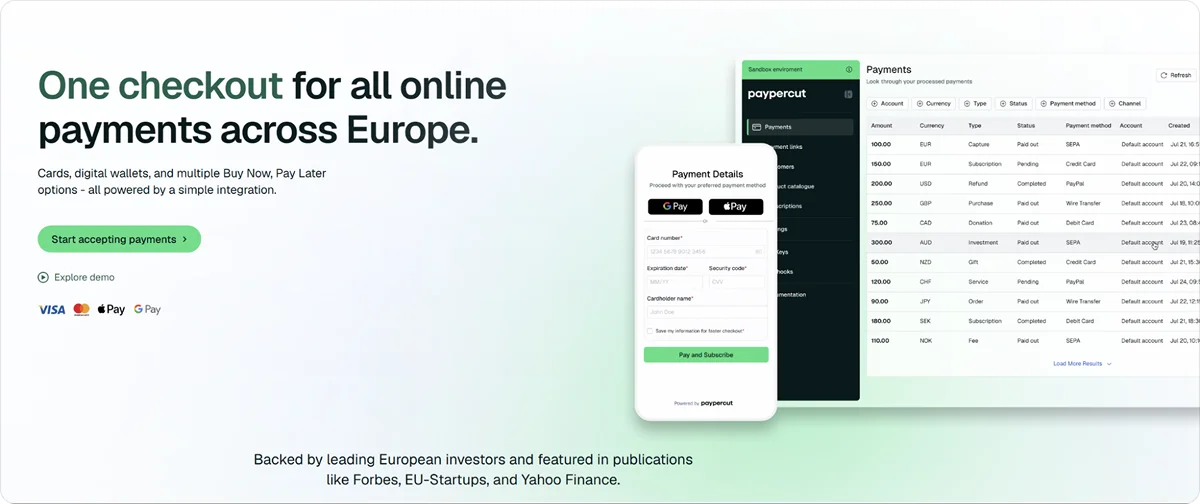
Paypercut to unijna platforma płatnicza stworzona z myślą o małych i średnich przedsiębiorstwach, która pomaga sprzedawcom z regionu Europy Środkowo-Wschodniej– a także z całej Unii Europejskiej– w szybkim i łatwym przyjmowaniu płatności internetowych.
Łączy karty, portfele cyfrowe, kody QR, płatności cykliczne, linki do płatności oraz agregator usług BNPL (Buy Now, Pay Later) w jednym panelu, dzięki czemu firmy mogą zarządzać wszystkim za pomocą jednego interfejsu.
Paypercut wyróżnia się na tle PayU szybszym, w pełni cyfrowym procesem rejestracji oraz obsługą klienta, w której na pierwszym miejscu stawia się człowieka: rozmawiasz z prawdziwymi ludźmi, którzy rozumieją specyfikę Twojej działalności, a nie z botami.
Rozwiązuje również typowe problemy charakterystyczne dla regionu Europy Środkowo-Wschodniej, które większe platformy często pomijają, takie jak hybrydowe modele rozliczeniowe, szeroki wybór lokalnych metod płatności oraz agregacja usług „kup teraz, zapłać później” (BNPL).
Najważniejsze cechy
Paypercut opiera swoje funkcje na jednej prostej idei: zapewnić sprzedawcom wszystko, czego potrzebują do przyjmowania płatności i rozliczania rat w Europie Środkowo-Wschodniej bez zwiększania złożoności technicznej. Do jego najważniejszych narzędzi należą:
- Usługi hostingowe, wbudowane i Express Checkout: Szybkie uruchomienie dzięki gotowej stronie płatności, integracja procesu płatności bezpośrednio z witryną internetową lub umożliwienie klientom płacenia jednym kliknięciem za pomocą portfeli cyfrowych bezpośrednio ze strony produktu.
- Wtyczki e-commerce i integracja z API: Zainstaluj bezpłatne wtyczki dla najpopularniejszych platform lub stwórz własne procesy za pomocą API, w zależności od potrzeb.
- Linki do płatności i kody QR: Pobieraj płatności natychmiast, bez konieczności tworzenia strony internetowej — idealne rozwiązanie dla małych zespołów i kanałów offline.
- Agregator usług BNPL: Połącz wielu dostawców usług BNPL za pomocą jednej integracji i zarządzaj nimi z poziomu jednego pulpitu nawigacyjnego, zwiększając wskaźniki zatwierdzania na różnych rynkach.
- Rozliczenia wielowalutowe: akceptuj płatności i rozliczaj je w ponad 12 walutach europejskich, obniżając koszty związane z kursami walutowymi i umożliwiając wypłaty w lokalnej walucie.
- Płatności cykliczne i subskrypcje: zautomatyzuj cykliczne rozliczenia dzięki bezpiecznemu przechowywaniu danych kart, mechanizmom ponownej próby i powiadomieniom dla klientów.
- Płatności dzielone: automatyczny podział środków między wielu dostawców lub partnerów – idealne rozwiązanie dla platform handlowych.
- Autoryzacja wstępna i odroczone rozliczenie: najpierw zarezerwuj środki, a dopiero potem je pobierz, zabezpieczając się przed anulowaniem rezerwacji lub niepojawieniem się gościa.
- Panel administratora: Śledź płatności, wypłaty, opłaty, dostawców i wyniki w czasie rzeczywistym dzięki przejrzystemu i intuicyjnemu interfejsowi.
Cennik
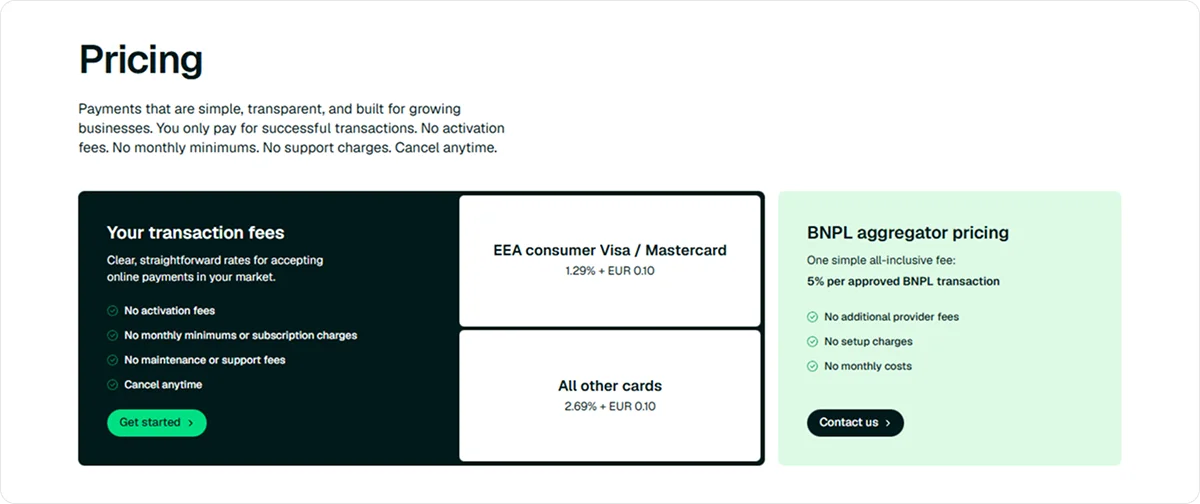
Paypercut działa w oparciu o prosty model płatności za transakcję, bez opłat aktywacyjnych, miesięcznych minimalnych kwot, ukrytych opłat za utrzymanie lub wsparcie techniczne, ani długoterminowych umów.
Ceny dostosowują się do wielkości transakcji, kraju oraz struktury płatności; dostępne są rabaty uzależnione od wielkości transakcji.
2. GoPay
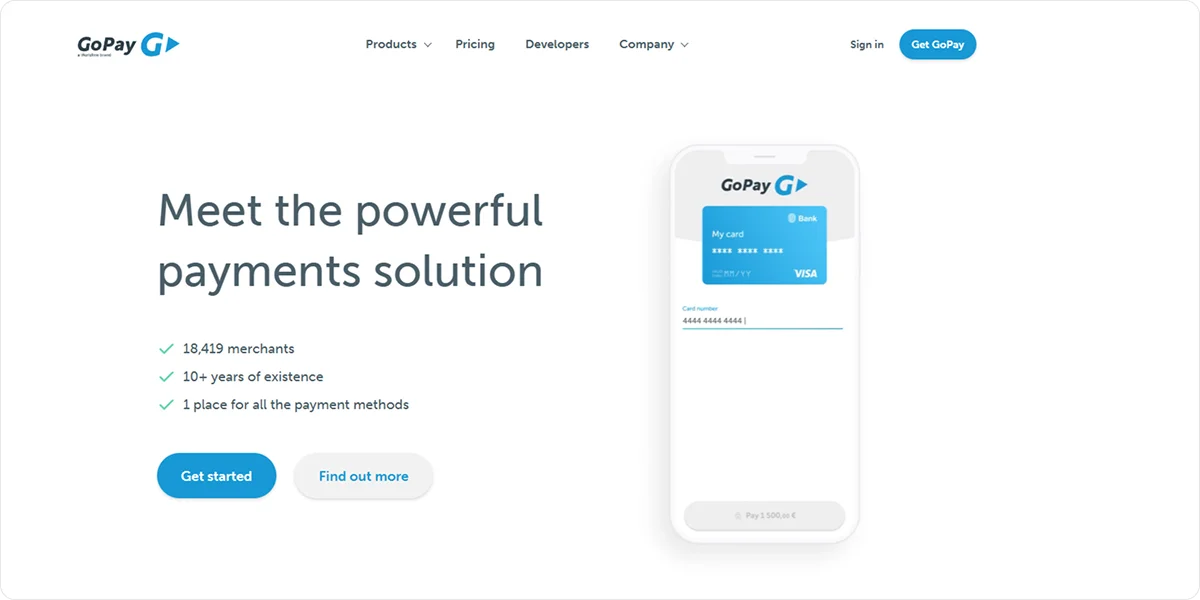
GoPay to czeska platforma płatnicza obsługująca głównie sprzedawców w Czechach, na Słowacji, na Węgrzech i w Polsce.
W porównaniu z PayU, GoPay oferuje lepszą integrację z lokalnymi bankami w Czechach i na Słowacji, dzięki czemu lepiej sprawdza się na rynkach, gdzie wielu klientów nadal woli płacić za pośrednictwem bankowości internetowej.
Najważniejsze cechy
GoPay kładzie nacisk na szeroki zasięg lokalnych usług płatniczych oraz niezawodność na swoich głównych rynkach w Europie Środkowej, oferując takie funkcje jak:
- Szeroki wybór lokalnych metod płatności: obsługuj karty, przelewy bankowe i regionalne portfele w wielu walutach krajów Europy Środkowo-Wschodniej za pośrednictwem jednej bramki płatniczej.
- Przyciski banków lokalnych: umożliwiają klientom bezpośredni kontakt z jeszcze mniejszymi bankami regionalnymi, co zwiększa liczbę sfinalizowanych transakcji.
- Natychmiastowe przelewy bankowe: Szybkie rozliczanie płatności za pośrednictwem lokalnych rachunków bankowych, co poprawia płynność finansową i ogranicza opóźnienia.
Cennik
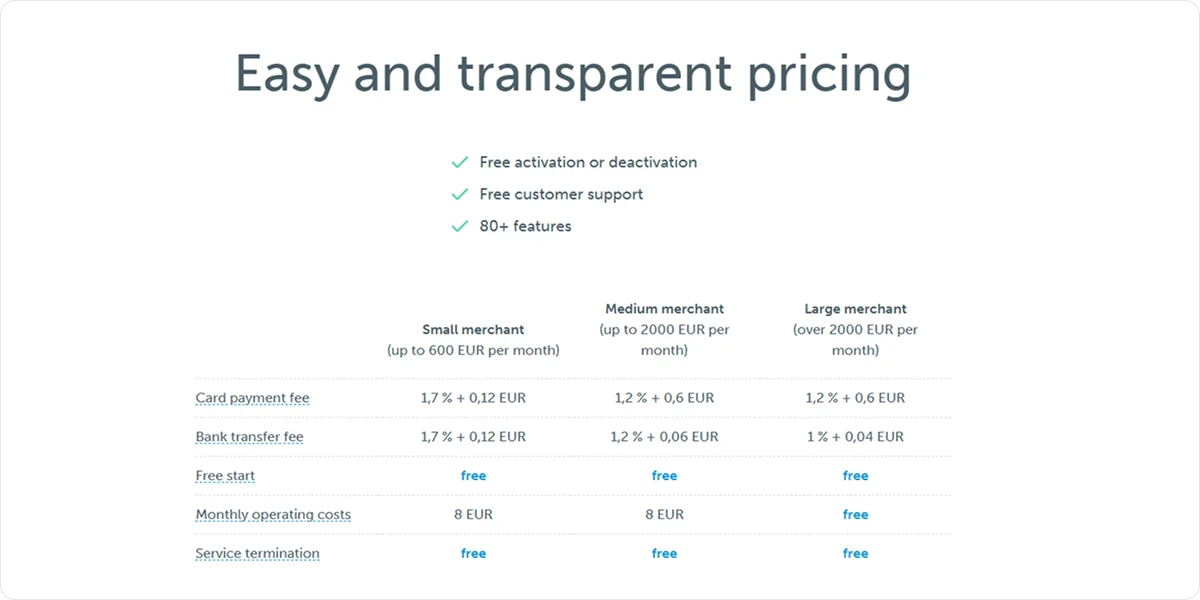
GoPay stosuje wielopoziomowy cennik oparty na transakcjach, który zależy od wielkości firmy i wybranej metody płatności.
Otrzymujesz odrębne warunki dotyczące płatności kartą i przelewów bankowych, a wraz ze wzrostem obrotów dostępne są korzystniejsze stawki.
3. Comgate
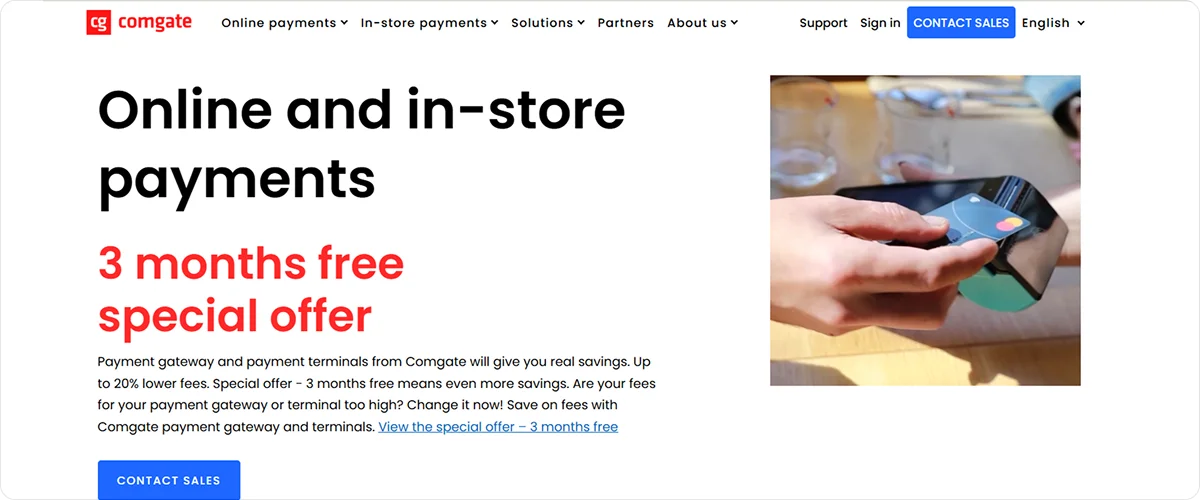
Comgate to czeski dostawca usług płatniczych, który oferuje bramki płatnicze online oraz rozwiązania dla punktów sprzedaży (POS) dla akceptantów w Czechach, na Słowacji, Węgrzech, w Polsce i Rumunii.
Comgate to tańsza alternatywa dla PayU, oferująca przejrzyste ceny i kładąca większy nacisk na oszczędność kosztów dla małych i średnich przedsiębiorstw w Europie Środkowej.
Najważniejsze cechy
Comgate stawia na praktyczne narzędzia i elastyczność, które ułatwiają regionalnym sprzedawcom codzienne operacje płatnicze:
- Bramka płatności online: Obsługuj płatności kartą i lokalne przelewy bankowe za pomocą jednej integracji, która obejmuje najpopularniejsze metody płatności w Europie Środkowej.
- Terminale POS: Połącz płatności internetowe z fizycznymi terminalami kartowymi, co ułatwi zarządzanie zarówno sprzedażą internetową, jak i stacjonarną w ramach jednego dostawcy.
- Szybkie lokalne przelewy bankowe: zapewnij klientom bezpośredni dostęp do obsługiwanych banków regionalnych, co pomoże zwiększyć wskaźnik akceptacji na rynkach, gdzie powszechnie korzysta się z płatności bankowych.
Cennik
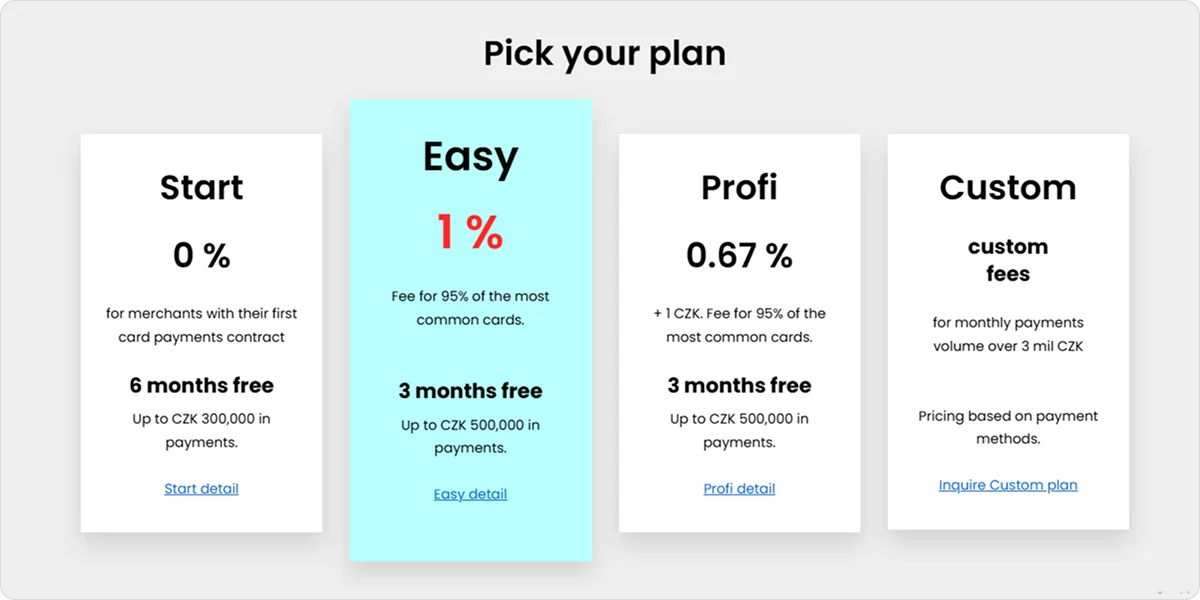
Przejrzystość stanowi podstawę polityki cenowej firmy Comgate, która oferuje publicznie dostępne stawki, opłaty transakcyjne oraz warunki, które są zazwyczaj bardziej przystępne dla mniejszych akceptantów.
4. Przelewy24
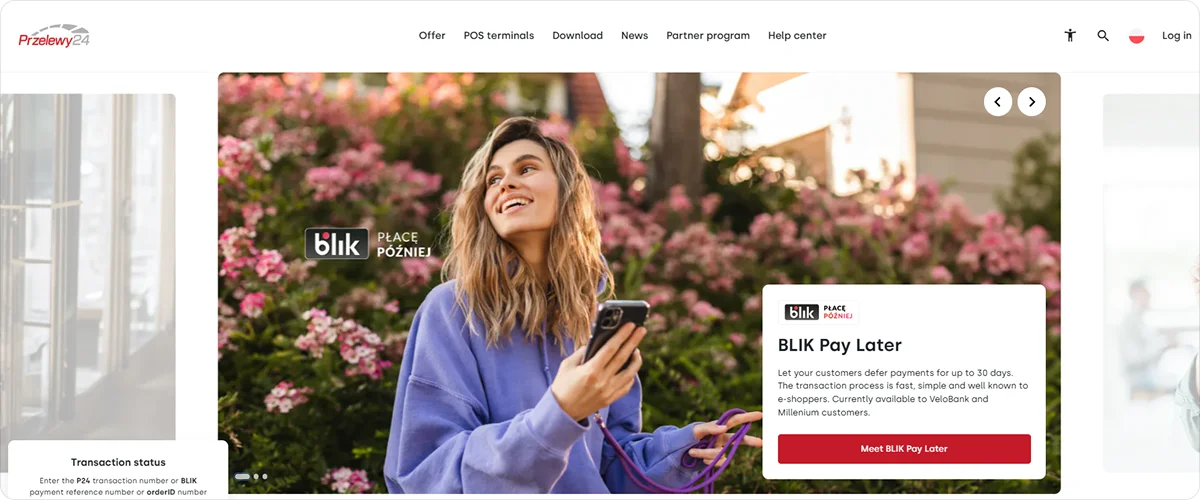
Przelewy24 (P24) to polski dostawca usług płatniczych, który obsługuje głównie rynek polski, oferując jednocześnie sprzedawcom prowadzącym działalność transgraniczną możliwość obsługi wielu walut.
Szczególnie w Polsce serwis Przelewy24 często zajmuje silniejszą pozycję w zakresie strategii „local-first” niż PayU, zwłaszcza jeśli chodzi o płatności BLIK oraz rozpoznawalność marki wśród polskich klientów.
Najważniejsze cechy
Serwis Przelewy24 został stworzony z myślą o polskich zwyczajach związanych z płatnościami, dzięki czemu proces realizacji transakcji jest dla lokalnych klientów znany i przebiega szybko. Polscy sprzedawcy skorzystają z następujących funkcji:
- Płatności BLIK bez klikania: Umożliwiaj stałym klientom finalizowanie zakupów bez konieczności każdorazowego wpisywania kodu BLIK, co skraca czas realizacji transakcji i zwiększa liczbę powtórnych zakupów.
- Szeroki zakres metod płatności lokalnych: obsługa przelewów internetowych, kart, portfeli elektronicznych, płatności ratalnych i odroczonych w ramach jednej bramki płatniczej dostosowanej do potrzeb polskich konsumentów.
- Rozliczenia wielowalutowe: przyjmuj płatności w różnych walutach, rozliczając je w lokalnej walucie, co ułatwia działalność polskim sprzedawcom prowadzącym sprzedaż za granicą.
Cennik
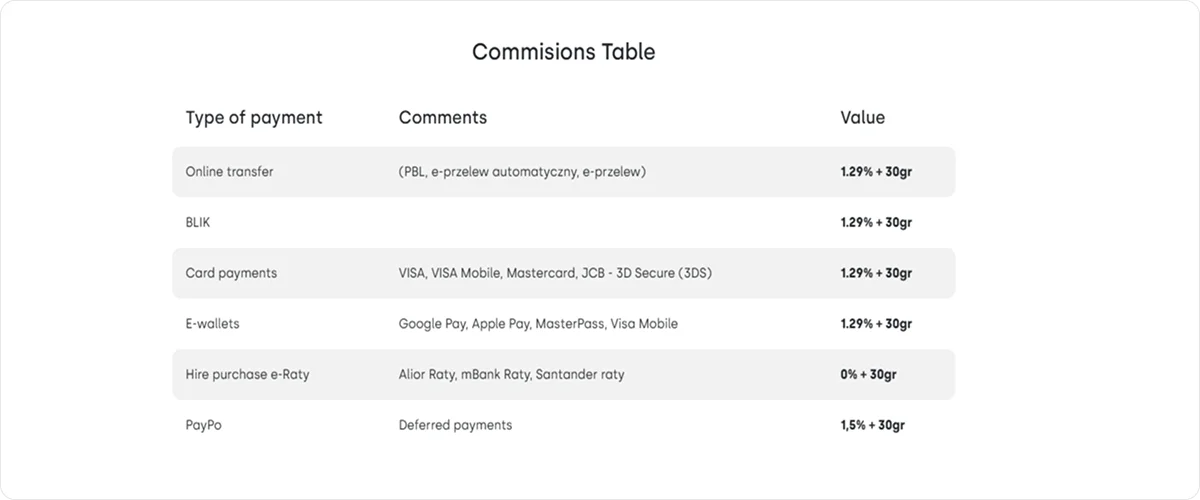
Opłaty opierają się na prowizjach od transakcji, bez opłat miesięcznych ani kosztów integracji, dzięki czemu model ten jest prosty i przewidywalny dla akceptantów.
5. Płatności Netopia
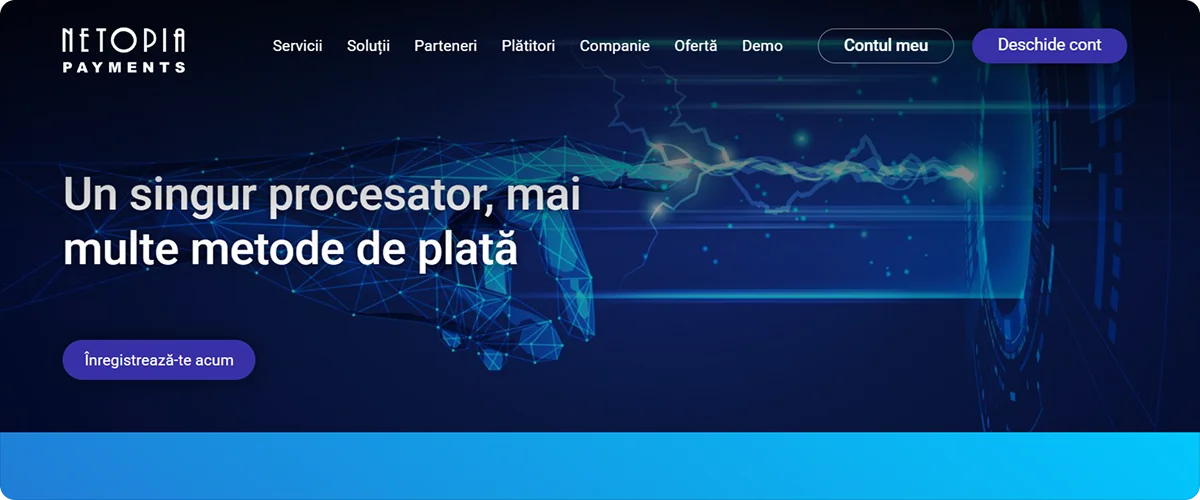
Netopia Payments to rumuński dostawca usług płatniczych obsługujący głównie rynek rumuński, gdzie wspiera tysiące lokalnych sprzedawców i obsługuje znaczną część krajowych transakcji w handlu elektronicznym.
W Rumunii firma Netopia często cieszy się większym zaufaniem lokalnych klientów niż PayU, a proces realizacji transakcji jest dla rumuńskich kupujących bardziej znany.
Najważniejsze cechy
Netopia kładzie nacisk na niezawodność i lokalne preferencje konsumentów, oferując takie funkcje jak:
- Płatności SMS: Umożliw klientom dokonywanie płatności poprzez rozliczenie z rachunku telefonicznego, obsługując produkty i usługi cyfrowe, w przypadku których płatności SMS nadal cieszą się popularnością.
- Obsługa kart ratalnych: Oferuj płatności ratalne za pośrednictwem rumuńskich wydawców kart, umożliwiając klientom rozłożenie kosztów bez konieczności korzystania z usług zewnętrznych dostawców usług „kup teraz, zapłać później” (BNPL).
- Zpersonalizowany proces realizacji transakcji: Oferuj procesy płatności dostosowane do rumuńskich banków i oczekiwań klientów, co pozwoli zwiększyć zaufanie i ograniczyć liczbę porzuconych koszyków.
Cennik
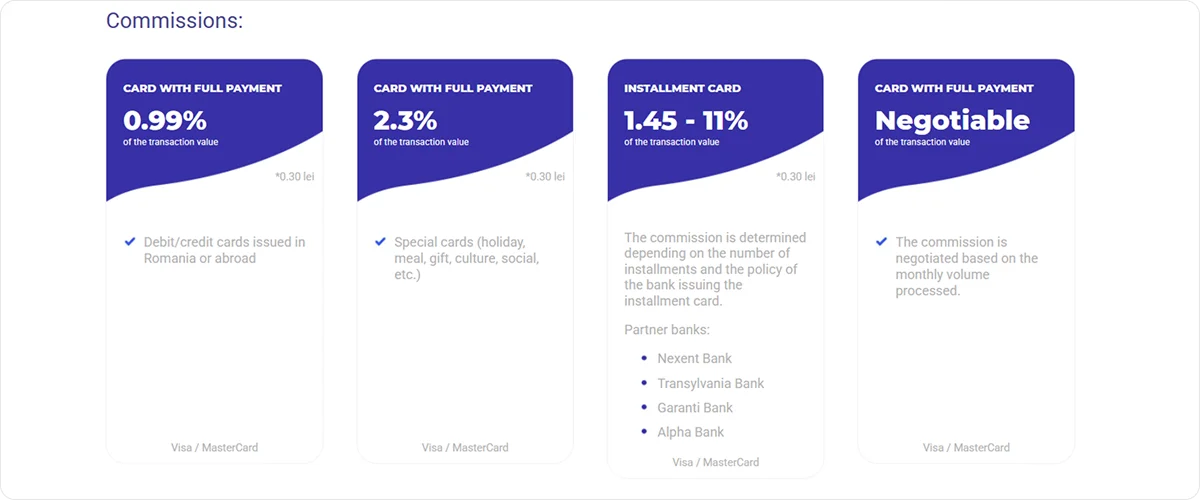
Prowizje od transakcji różnią się w zależności od rodzaju karty i metody płatności, a warunki są dostosowane do rynku rumuńskiego, a nie oparte na stałych pakietach globalnych.
6. Tpay
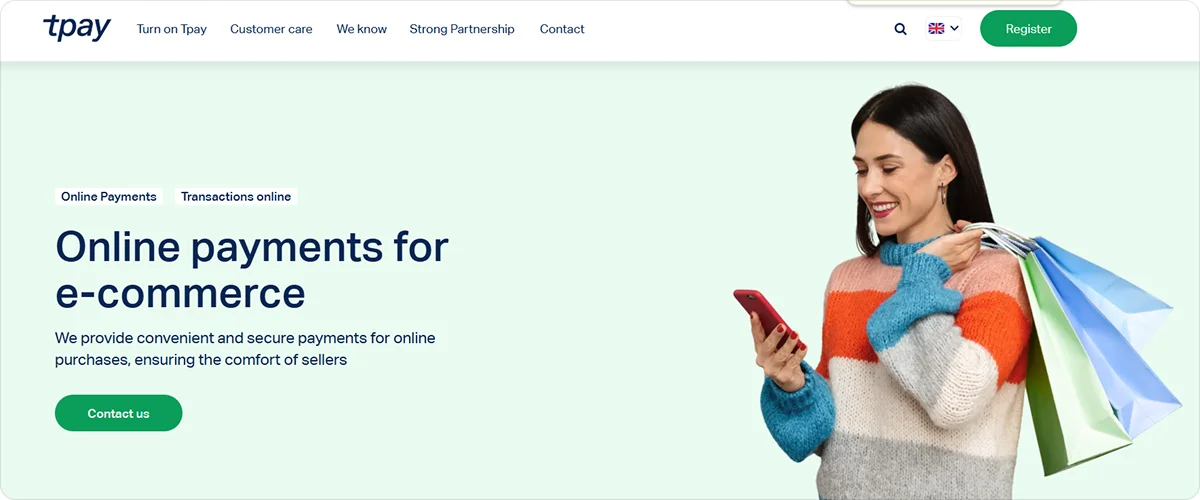
Tpay to polska platforma płatnicza obsługująca głównie rynek polski, oferująca rozbudowane integracje z lokalnymi bankami, kartami płatniczymi i portfelami mobilnymi.
W porównaniu z PayU, Tpay zyskało renomę dzięki szybszemu procesowi wdrażania oraz bardziej elastycznej i przyjaznej dla programistów konfiguracji, co czyni tę platformę atrakcyjną dla rozwijających się firm z branży e-commerce.
Najważniejsze cechy
Tpay stawia na szybkość, płatności dostosowane do urządzeń mobilnych oraz praktyczne narzędzia, które pomagają polskim sprzedawcom szybko rozpocząć działalność, w tym:
- Szybka cyfrowa rejestracja: Przejdź przez proces weryfikacji całkowicie online i szybko zacznij przyjmować płatności, bez zbędnej papierkowej roboty.
- Integracja z portfelami mobilnymi: Obsługa popularnych portfeli i procesów płatności mobilnych, które odpowiadają preferencjom polskich klientów w zakresie sposobów płatności.
- Interfejs API przyjazny dla programistów: Twórz spersonalizowane procesy realizacji transakcji dzięki przejrzystej dokumentacji i elastycznym opcjom integracji dla nowoczesnych sklepów internetowych.
Cennik
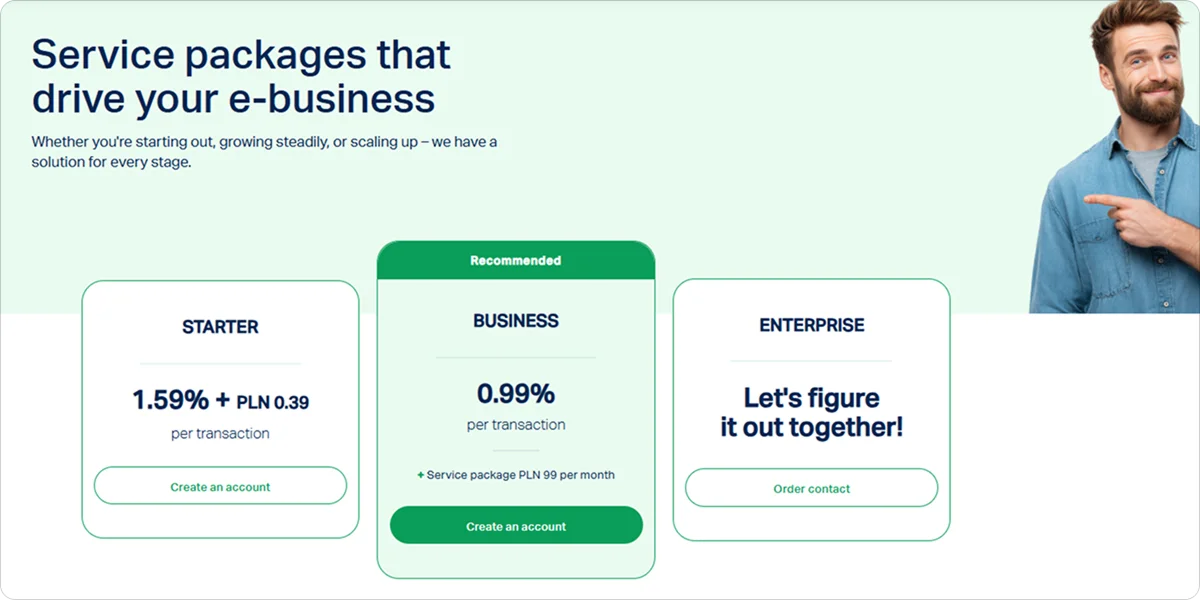
Cennik ma przejrzystą strukturę, obejmującą zarówno plany dla początkujących przeznaczone dla małych sprzedawców, jak i pakiety dla średnich i dużych przedsiębiorstw, łączące opłaty transakcyjne z opcjonalnymi planami usługowymi dostosowanymi do Twoich potrzeb.
7. Barion
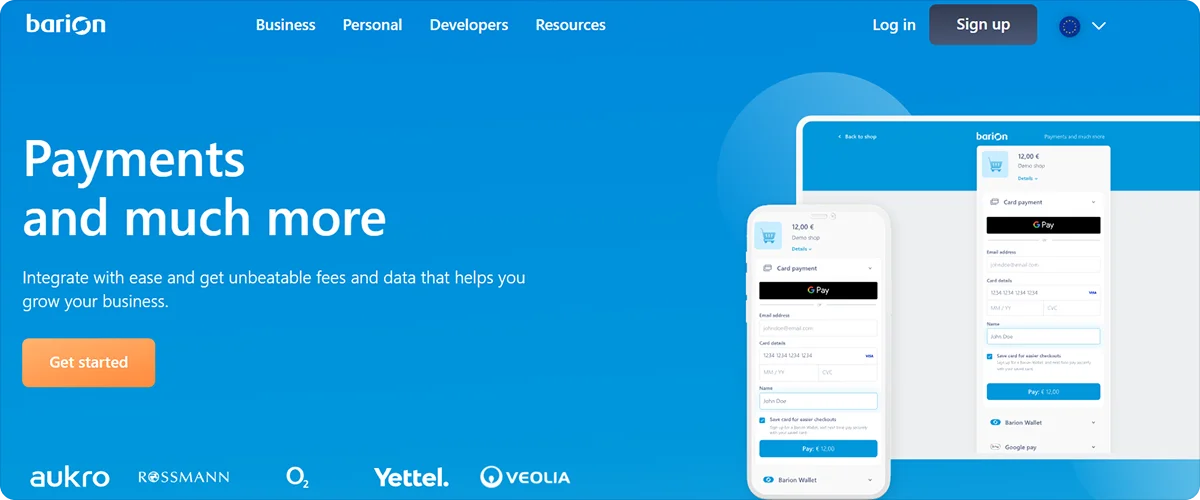
Barion to węgierski dostawca usług płatniczych podlegający nadzorowi Węgierskiego Banku Narodowego, który obsługuje akceptantów na terenie Węgier oraz na kilku rynkach Europy Środkowo-Wschodniej, oferując im rozwiązania w zakresie płatności internetowych oraz portfeli elektronicznych.
W odróżnieniu od PayU, Barion kładzie duży nacisk na optymalizację opartą na danych, wynagradzając sprzedawców, którzy udostępniają informacje o transakcjach, bardziej dostosowanymi cenami i korzyściami marketingowymi.
Najważniejsze cechy
Barion łączy narzędzia płatnicze i analityczne, aby pomóc sprzedawcom poprawić zarówno wydajność procesu realizacji transakcji, jak i skuteczność działań marketingowych:
- Portfel Barion: Umożliwia szybsze dokonywanie powtarzających się zakupów dzięki zapisanym danym rozliczeniowym i środkom w portfelu, co skraca czas realizacji transakcji.
- Barion Pixel: Gromadź dane dotyczące transakcji i zachowań użytkowników, które pomagają w zapobieganiu oszustwom i optymalizacji działań marketingowych.
- Obsługa płatności internetowych i w punktach sprzedaży: Obsługa zarówno płatności w sklepach internetowych, jak i transakcji w sklepach stacjonarnych w ramach jednej platformy, zapewniająca wsparcie dla przedsiębiorstw działających w modelu wielokanałowym.
Cennik
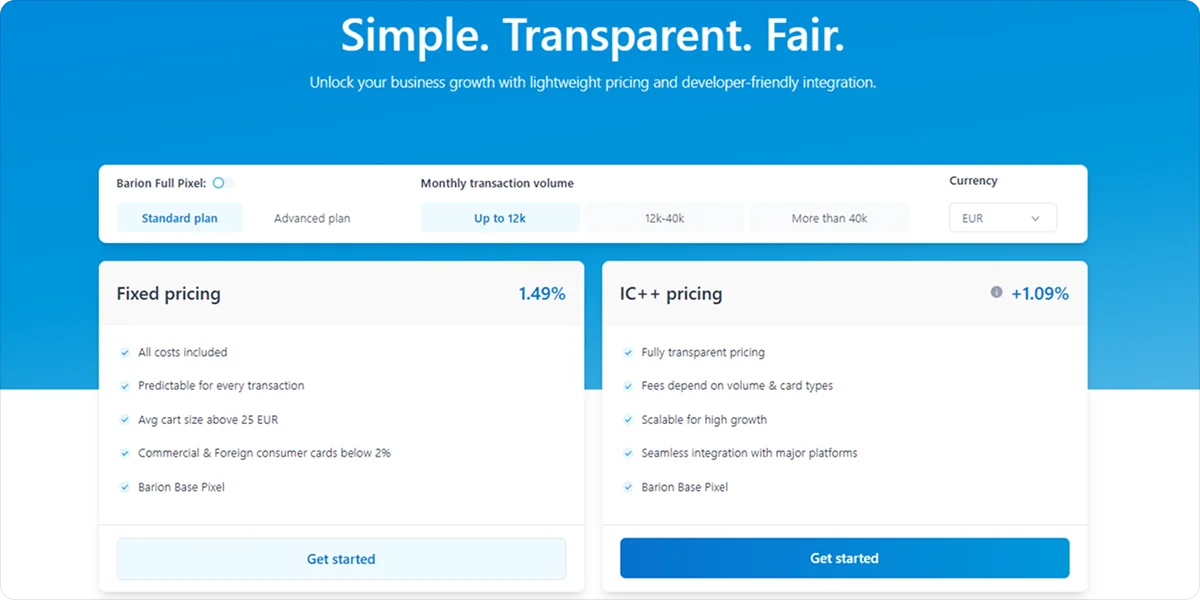
Sprzedawcy mogą wybierać między modelami rozliczeniowymi opartymi na stałej stawce a modelami typu „interchange plus”, a regularne przeglądy planów pozwalają zapewnić, że warunki są dostosowane do wielkości obrotów i struktury kart.
Jak wybrać najlepszą alternatywę dla PayU dla swojej firmy
Nie ma jednego uniwersalnego dostawcy usług płatniczych, który pasowałby do każdego modelu biznesowego lub rynku. Wybór odpowiedniego rozwiązania zależy od tego, w jaki sposób i gdzie prowadzisz sprzedaż, kim są Twoi klienci oraz jak planujesz rozwijać swoją działalność.
Wybór najlepszej alternatywy dla PayU dla Twojej firmy zależy od kilku kluczowych czynników:
- Rynek docelowy: Niektórzy dostawcy specjalizują się w obsłudze jednego kraju, podczas gdy inni lepiej nadają się do prowadzenia sprzedaży na wielu rynkach Europy Środkowo-Wschodniej, oferując lokalne waluty i opcje rozliczeń.
- Preferowane metody płatności: Oferowanie opcji płatności, do których Twoi klienci już mają zaufanie, może bezpośrednio wpłynąć na wzrost wskaźnika finalizacji transakcji.
- Skalowalność: dostawca powinien być w stanie rozwijać się wraz z Państwem, niezależnie od tego, czy chodzi o obsługę większej liczby transakcji, czy o ekspansję na nowe rynki, bez konieczności przebudowywania istniejącej integracji.
- Zgodność z modelem biznesowym: Funkcje takie jak cykliczne rozliczanie, dzielenie płatności czy preautoryzacja są niezbędne w przypadku usług abonamentowych, platform handlowych, rezerwacji oraz firm świadczących usługi.
- Wdrażanie i wsparcie: Szybka weryfikacja oraz dostęp do pomocy ze strony prawdziwych ludzi pozwalają zaoszczędzić czas i zmniejszyć stres, zwłaszcza w okresie uruchamiania serwisu lub w szczytowych okresach sprzedaży.
- Struktura cenowa: Przejrzyste i przewidywalne ceny, dostosowane do Twoich marż, mają kluczowe znaczenie dla długoterminowej stabilności firmy.
- Rozpoznawalność marki na rynku lokalnym: Na wielu rynkach Europy Środkowo-Wschodniej znane logo serwisu płatniczego widoczne przy kasie może zwiększyć zaufanie klientów i ograniczyć liczbę porzuconych koszyków.
Nasza lista najlepszych alternatyw dla PayU celowo obejmuje zarówno silnych graczy lokalnych, jak i dostawców nastawionych na rozwój w całym regionie.
Jeśli skupiamy się wyłącznie na Polsce, gdzie firma PayU przez lata zbudowała szczególnie silną pozycję, Przelewy24 pozostaje jednym z liderów dzięki głębokiej integracji z polskimi zwyczajami płatniczymi.
Dla firm, które planują działalność poza granicami jednego kraju, elastyczność Paypercutw zakresie transakcji transgranicznych, integracja usług BNPL oraz obsługa wielu rynków sprawiają, że jest to opcja warta rozważenia.
Jeśli już podjąłeś decyzję, zarejestruj się w Paypercut już teraz i przekonaj się na własnej skórze, jak wygląda w pełni cyfrowy proces wdrażania.
Jeśli wciąż rozważasz alternatywy dla PayU, skontaktuj się z naszym zespołem, a uzyskasz jasne odpowiedzi dotyczące cen, integracji oraz najlepszego rozwiązania dla Twojej firmy.
Najczęściej zadawane pytania
Jaka jest alternatywa dla PayU?
Nie ma jednej alternatywy dla PayU, która odpowiadałaby wszystkim. W Polsce silną pozycję na lokalnym rynku mają tacy dostawcy jak Przelewy24 czy Tpay. W Rumunii wyróżnia się Netopia. Jeśli chodzi o rozwój działalności transgranicznej w regionie Europy Środkowo-Wschodniej, obejmujący obsługę płatności ratalnych i wielu walut w ramach jednego rozwiązania, skalowalną alternatywą dla PayU jest Paypercut.
Z jakiego kraju pochodzi PayU?
PayU pochodzi z Holandii, ale firma działa na arenie międzynarodowej, mając silną pozycję w Europie Środkowej i Wschodniej.
Jak sprawdził się PayU?
PayU to renomowany i cieszący się szerokim zaufaniem dostawca usług płatniczych, który codziennie obsługuje miliony transakcji. Firma ta charakteryzuje się wysoką rozpoznawalnością marki oraz szeroką ofertą metod płatności, jednak niektórzy sprzedawcy zgłaszają opóźnienia w procesie wdrażania oraz nierówną jakość obsługi klienta.
Czy mogę zmienić dostawcę usług płatniczych bez konieczności przebudowywania procesu realizacji transakcji?
Tak. Większość dostawców z tej listy oferuje integracje oparte na API i wtyczkach, więc migracja sprowadza się zazwyczaj do zastąpienia jednej integracji, a nie do tworzenia wszystkiego od nowa. Najwięcej wysiłku wymaga przetestowanie i ponowna weryfikacja konta.
Która alternatywa dla PayU jest najłatwiejsza w obsłudze?
Najłatwiej jest rozpocząć współpracę z dostawcami takimi jak Tpay i Paypercut, ponieważ oferują oni w pełni cyfrowy proces rejestracji bez konieczności wypełniania dokumentów. Inni, na przykład GoPay i Comgate, mogą wymagać więcej korespondencji podczas weryfikacji.
Czy potrzebuję osobnego dostawcy dla każdego kraju Europy Środkowo-Wschodniej?
Niekoniecznie. Niektórzy dostawcy z tej listy, w tym Paypercut, umożliwiają prowadzenie sprzedaży w wielu krajach oraz korzystanie z lokalnych metod płatności w ramach jednej integracji i jednej umowy, co znacznie upraszcza prowadzenie działalności.